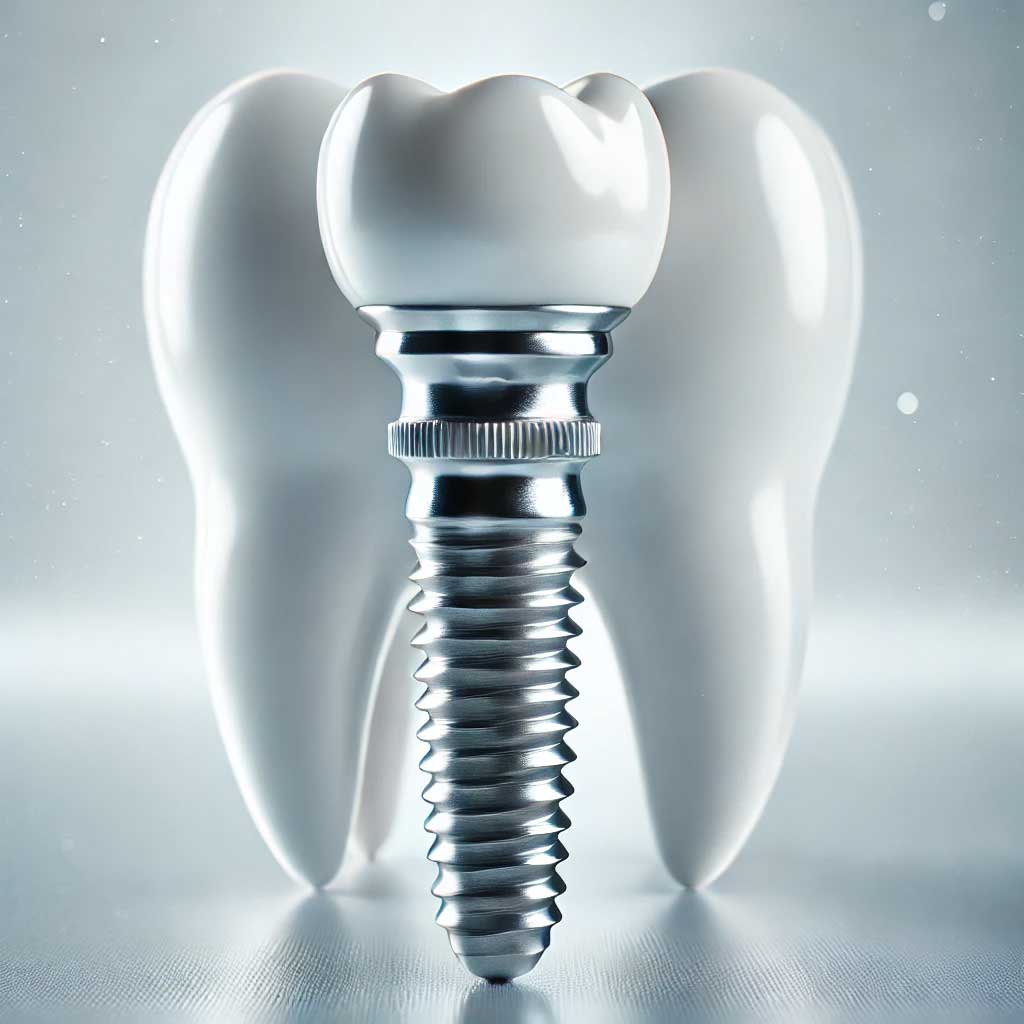
Are you considering dental implants in North Scottsdale? At Trinity Dental Care, we understand that losing teeth can affect your confidence and ability to enjoy everyday activities like eating and smiling. Our comprehensive Guide on Getting Dental Implants in Scottsdale, AZ, will walk you through everything you need about this life-changing procedure.
Why Dental Implants Matter for Your Oral Health
Your teeth play a crucial role in your appearance and daily function. From childhood, we learn the importance of proper dental care—brushing after meals, flossing regularly, and maintaining those pearly whites. However, sometimes, even with the best care, tooth loss happens.
Missing teeth create more problems than just gaps in your smile. They can:
- Make eating difficult and uncomfortable
- It causes you to feel self-conscious about smiling
- Lead to bone loss in your jaw
- Allow the remaining teeth to shift out of position
- Change the shape of your face over time
This is where Dental Implants are the gold-standard solution. At our location in Scottsdale, AZ, we provide state-of-the-art implant procedures to restore your smile completely.
What Are Dental Implants?
Dental implants are titanium posts surgically placed into your jawbone to serve as artificial tooth roots. These metal posts create a strong foundation for mounting replacement teeth (crowns). The result? Natural-looking and feeling teeth that function just like your original ones.
As part of our Restorative Dentistry services, dental implants offer a permanent solution, unlike traditional dentures or bridges.
The Dental Implant Process: What to Expect
1. Initial Consultation and Assessment
Your journey begins with a comprehensive consultation with Dr. Christine Fink, who will determine if you’re a good candidate for dental implants. During this appointment, we will:
- Examine your jaw and gums where the implants will be placed
- Take detailed 3D images to show you how your new smile will look
- Answer all your questions about the procedure, sedation options, and recovery process
- Discuss any pre-treatment needs, such as bone grafting or gum disease treatment
- Create a personalized treatment plan tailored to your specific needs
At Trinity Dental Care, we use advanced technology that lets you preview your results before any work begins. As New Patients, you’ll appreciate our thorough approach to ensuring your comfort and satisfaction.
2. Placing the Dental Implant
Once you’re cleared for the procedure, the implant placement surgery occurs. Here’s what happens:
- We administer local anesthesia to ensure you feel no pain during the procedure
- A small incision is made in your gum where the implant will go
- A precisely sized hole is carefully drilled into your jawbone
- The titanium implant post is placed securely in the jawbone
- The incision is closed with stitches
Most patients are surprised at how comfortable this procedure is. Minor discomfort may occur afterward, easily managed with over-the-counter pain relievers like ibuprofen.
In Scottsdale, AZ, we offer temporary restoration options using titanium and resin so you can maintain your appearance while healing. To see the quality of our work, you can view examples in our gallery.
3. The Healing Process: Osseointegration
The most crucial phase happens after implant placement – a process called osseointegration. This is when your natural bone grows around and fuses with the implant, creating a strong, permanent foundation.
This healing period typically takes 3-6 months, depending on your body’s healing capabilities and the location of the implant. During this time:
- You’ll follow specific care instructions to ensure proper healing
- You may be asked to eat softer foods temporarily
- Regular check-ups will monitor your progress
- You’ll maintain excellent oral hygiene with careful brushing and flossing
This crucial phase ensures that your implant becomes a permanent part of your jaw structure, just like a natural tooth root.
4. Abutment Placement
Once osseointegration is complete, you’ll return for the next step: placing the abutment. The abutment is a connector piece that attaches to the implant and will hold your new artificial tooth.
This minor procedure involves:
- Reopening the gum to expose the implant
- Attaching the abutment to the implant
- Closing the gum tissue around (but not over) the abutment
- Allowing a short healing period of about two weeks
Some patients may have the abutment placed during the initial implant surgery, eliminating this step. We’ll discuss which approach is best for your specific situation.
5. Creating and Placing Your New Teeth
After your gums heal around the abutment, we take detailed impressions of your mouth to create your custom crown (artificial tooth). Our dental lab uses these impressions to craft a crown that perfectly matches your natural teeth in color, shape, and size.
Depending on your needs and preferences, we offer:
- Fixed crowns – permanently attached with screws or dental cement
- Removable crowns, similar to dentures, can be removed for cleaning
- Implant-supported bridges or dentures for multiple missing teeth
- All on 4’s – an entire arch of teeth supported by just four strategically placed implants
When your custom restoration is ready, we’ll attach it to the abutment, make any necessary adjustments for comfort and bite alignment, and send you home with your new, beautiful smile!
Why Choose Dental Implants in Scottsdale?
Dental implants offer numerous advantages over traditional tooth replacement options:
- Natural Look and Feel: Implants look, feel, and function like natural teeth.
- Durability: With proper care, implants can last a lifetime.
- Bone Preservation: Implants stimulate bone growth, preventing the bone loss that occurs with missing teeth.
- No Impact on Adjacent Teeth: Unlike bridges, implants don’t require grinding down neighboring teeth.
- Improved Speech: Unlike ill-fitting dentures, implants allow you to speak without worry.
- Eating Comfort: You can eat your favorite foods without discomfort or restrictions.
- Enhanced Self-Confidence: You’ll smile, laugh, and interact without feeling self-conscious.
As part of Our Dental Philosophy, we believe everyone deserves a complete, functional smile that lasts a lifetime.
Caring for Your Dental Implants
To ensure the longevity of your dental implants, follow these essential aftercare tips:
- Maintain Excellent Oral Hygiene: Brush twice daily and floss regularly, just as you would with natural teeth.
- Avoid Hard Foods Initially: During healing, stick to softer foods to avoid putting excessive pressure on your new implants.
- Quit Smoking: Smoking can significantly impact healing and increase the risk of implant failure.
- Regular Dental Check-ups: Continue routine dental visits for professional cleanings and examinations.
- Avoid Teeth Grinding: Consider a nightguard if you grind your teeth during sleep.
- Minimize Staining Foods and Drinks: Limit coffee, tea, red wine, and other staining substances to keep your new smile bright.
We also recommend regular Preventive Care appointments to maintain your implants and overall oral health.
Dental Implants: An Investment in Your Quality of Life
While dental implants represent a significant investment, their benefits far outweigh their cost. Most dental insurance plans cover about 50% of implant procedures, and we offer financing options to make treatment more affordable.
At Trinity Dental Care, we’re currently offering Specials on implant consultations and treatment plans. Book your appointment today to learn about our current promotions and how we can help make dental implants fit your budget.
Why Choose Trinity Dental Care for Your Dental Implants in Scottsdale?
When it comes to dental implants, experience and expertise matter, here’s why patients choose us:
- Specialized Experience: Dr. Christine Fink has extensive training and experience in implant dentistry.
- Comprehensive Care: We handle every aspect of your treatment from initial consultation to final restoration.
- Advanced Technology: We use the latest 3D imaging and planning tools for precise, predictable results.
- Comfort-Focused Approach: Your comfort is our priority at every process step.
- Proven Results: See our Testimonials from patients who have transformed their smiles with dental implants.
Our comprehensive Dental Services extend beyond implants to include General Dentistry, Cosmetic Dentistry, and Teeth Whitening so that we can care for all your dental needs under one roof.
Ready to Transform Your Smile with Dental Implants?
Don’t let missing teeth prevent you from enjoying life to the fullest. Our Guide on Getting Dental Implants in Scottsdale, A-Z, should help you understand the life-changing possibilities that await.
Contact Us / Reserve me a time today for your consultation. Visit our office at 10697 N Frank Lloyd Wright Blvd, Ste 102, Scottsdale, AZ 85259, or call us at 480-621-4040 to get started on your journey to a complete, confident smile.
Remember, your smile is often the first thing people notice about you – make it one that truly represents your best self!
Frequently Asked Questions About Dental Implants in Scottsdale
1. How long does the entire dental implant process take?
The complete dental implant process typically takes 3-9 months from start to finish. This timeline includes initial healing after implant placement (3-6 months for osseointegration), abutment placement, and final crown attachment. Every patient’s situation is unique, and during your consultation at Trinity Dental Care, we’ll provide a personalized timeline based on your specific needs.
2. Are dental implants painful?
Most patients report that dental implant surgery is less uncomfortable than they expected. We used adequate local anesthesia during the procedure so that you won’t feel pain during implant placement. Mild discomfort after surgery can be managed with over-the-counter pain medications. Many patients return to work the day after their procedure.
3. How much do dental implants cost in Scottsdale, AZ?
The cost of dental implants in Scottsdale varies based on several factors, including the number of implants needed, whether bone grafting is required, and the type of restoration placed on top. While dental implants require an initial investment, their durability often makes them more cost-effective than alternatives in the long run. We offer financing options and can help you maximize your insurance benefits.
4. Am I a good candidate for dental implants?
Most adults with good general and oral health are candidates for dental implants. Ideal candidates have adequate jawbone density to support implants and healthy gum tissue. Even if you’ve been told you don’t have enough bone, advanced techniques like bone grafting might make implants possible. The best way to determine your candidacy is through a consultation with Dr. Christine Fink.
5. How long do dental implants last?
With proper care and maintenance, dental implants can last a lifetime. The implant post has a success rate of over 95% at 10 years, while the crown portion might need replacement after 10-15 years due to normal wear and tear. Regular dental check-ups and good oral hygiene significantly extend the lifespan of your implants.
6. Can I get dental implants if I’ve had gum disease?
Patients with a history of gum disease can still be candidates for dental implants, but active gum disease must be treated first. At Trinity Dental Care, we’ll assess your gum health and develop a treatment plan to address any issues before proceeding with implants. Maintaining excellent oral hygiene is crucial for implant success in patients with a history of gum disease.
7. What’s the difference between dental implants and dentures?
Dental implants are permanent replacements that function like natural teeth, while dentures are removable appliances that sit on your gums. Implants prevent bone loss, don’t slip or move when speaking or eating, and don’t require adhesives or unique cleaning solutions. Though initially more expensive than dentures, many patients find implants provide superior comfort, function, and long-term value.
8. Can dental implants replace multiple missing teeth?
Yes, dental implants can replace any number of missing teeth, from a single tooth to an entire arch. For multiple missing teeth, options include:
- Individual implants for each missing tooth
- Implant-supported bridges that replace several adjacent teeth
- Implant-supported dentures that replace all teeth in an arch
- All-on-4 treatment, which uses just four implants to support an entire arch of teeth
9. What should I expect during recovery from dental implant surgery?
Following implant surgery, you might experience some swelling, bruising, minor bleeding, and discomfort for a few days. Most patients can manage these symptoms with over-the-counter pain relievers and return to normal activities within a day or two. We recommend a soft diet for the first week and avoiding strenuous exercise for several days. We’ll provide detailed aftercare instructions to ensure optimal healing.
10. How do I care for my dental implants?
Caring for dental implants is similar to caring for natural teeth: brush twice daily, floss daily, and maintain regular dental check-ups. We might recommend special interdental brushes to clean hard-to-reach areas around your implants. Avoid smoking and limit starchy foods and beverages. With proper care, your dental implants can last a lifetime while maintaining their natural appearance.