
While brushing and flossing are the cornerstones of oral hygiene, the foods you eat play a crucial, often overlooked role in maintaining a healthy smile. The right diet does more than just avoid sugar; it actively strengthens your teeth, fights plaque, and supports gum tissue from the inside out.
Think of your plate as a powerful tool in your dental care toolkit. The nutrients you consume can fortify tooth enamel, neutralize harmful acids, and reduce inflammation, creating an oral environment that naturally resists decay and disease.
This guide moves beyond the obvious advice to "avoid sweets." We will explore a detailed list of specific foods for healthy teeth and gums, explaining the science behind why they are so effective. You will discover how items like leafy greens, crunchy vegetables, and certain dairy products work to protect your smile.
For each food group, we provide actionable tips and practical examples to help you easily incorporate these powerhouse ingredients into your daily meals. By making strategic dietary choices, you can enhance your oral health, complementing your at-home care and professional checkups at Trinity Dental Care to build a foundation for lifelong dental wellness.
1. Leafy Greens (Spinach, Kale, Arugula)
When building a diet focused on the best foods for healthy teeth and gums, leafy greens like spinach, kale, and arugula should be at the top of your grocery list. These nutritional powerhouses are packed with essential vitamins and minerals that directly contribute to a stronger, more resilient smile.
Their low-calorie, high-nutrient profile makes them a cornerstone of any health-conscious eating plan.

Leafy greens are celebrated for their high concentration of vitamins and minerals crucial for oral health. Think of them as a natural multivitamin for your mouth, strengthening teeth from the inside out and fortifying your gums against common problems.
Why Leafy Greens Are Oral Health All-Stars
The benefits of leafy greens extend far beyond general wellness; they provide targeted support for your teeth and gums. They are rich in calcium, which helps rebuild and strengthen tooth enamel, the hard outer layer that protects against cavities.
They also contain a significant amount of folic acid, a type of B vitamin. A robust intake of folic acid is linked to healthier gums and may help prevent gingivitis, the earliest stage of gum disease. For more information on protecting your gums, learn about the facts of gum disease.
Practical Ways to Incorporate Leafy Greens
Integrating these greens into your daily routine is simple and versatile. Here are some actionable tips:
- Start with Smoothies: If you aren't a fan of the taste or texture, blend a handful of spinach or kale into a fruit smoothie. The fruit's sweetness will mask the greens, giving you a nutrient boost without the "green" flavor.
- Go Raw for Maximum Benefit: Enjoying greens in a salad or as a wrap provides a fibrous crunch. This texture requires more chewing, which stimulates saliva production—your body's natural defense for rinsing away food particles and neutralizing harmful acids.
- Enhance Nutrient Absorption: Combine your greens with foods rich in vitamin C, like bell peppers, tomatoes, or a lemon-based dressing. Vitamin C helps your body absorb the iron found in many leafy vegetables, which is vital for overall health.
- Add to Cooked Dishes: Finely chop and stir spinach or arugula into pasta sauces, soups, or omelets during the last few minutes of cooking for an easy, hidden health boost.
2. Dairy Products (Cheese, Yogurt, Milk)
When searching for the best foods for healthy teeth and gums, dairy products like cheese, yogurt, and milk are fundamental components of a smile-friendly diet. These items are renowned for their high calcium content, which is a critical building block for strong bones and teeth.
Including dairy in your daily routine provides a powerful defense against tooth decay and gum inflammation.

Dairy products offer more than just calcium; they contain a unique combination of proteins and probiotics that actively protect your oral environment. Think of them as a protective shield for your enamel and a support system for your gums, working to maintain a healthy balance in your mouth.
Why Dairy Products Are Oral Health All-Stars
The benefits of dairy for your mouth are well-documented. These products are rich in calcium and phosphates, minerals that help fortify and even remineralize tooth enamel after it has been exposed to acids. Casein, a special protein found in milk, forms a protective film on teeth, preventing decay.
Furthermore, fermented dairy like yogurt contains probiotics, or beneficial bacteria. These probiotics can help crowd out the harmful bacteria responsible for cavities and periodontal disease. Research has shown that regular consumption of yogurt with probiotics can reduce levels of cavity-causing bacteria in the mouth (Source: NIH/PubMed). Making oral health a priority is a key part of overall wellness, and understanding why dental care is so important can motivate healthier dietary choices.
Practical Ways to Incorporate Dairy Products
Adding these smile-strengthening foods to your diet is easy and delicious. Here are some actionable strategies:
- Snack on Cheese After Meals: Eating a small piece of cheese after a meal can help neutralize acids and raise the pH level in your mouth, creating a less favorable environment for cavity-causing bacteria.
- Choose Plain Yogurt: Opt for plain, unsweetened yogurt, especially Greek yogurt, which is higher in protein and casein. You can add your own fresh fruit for flavor instead of choosing pre-sweetened varieties loaded with sugar.
- Make Milk Your Go-To Drink: Instead of sugary sodas or juices, a glass of milk with meals provides a direct dose of calcium and casein to protect your teeth.
- Combine for a Balanced Snack: Pair yogurt or cheese with nuts or seeds for a snack that is not only good for your teeth but also balanced in protein, healthy fats, and nutrients.
3. Crunchy Fruits and Vegetables (Apples, Carrots, Celery)
When searching for the best foods for healthy teeth and gums, don't overlook the simple power of crunchy produce like apples, carrots, and celery. These firm, fibrous foods act as nature's toothbrushes, providing a mechanical cleaning action with every bite.
Their satisfying crunch is more than just a sensory experience; it's a key part of maintaining oral hygiene between brushings.

The primary benefit of these foods is their texture. As you chew, the crisp, fibrous surfaces scrub against your teeth, dislodging food particles and disrupting the formation of plaque. This natural cleaning process complements your daily brushing and flossing routine.
Why Crunchy Produce Is a Dental Health Staple
The benefits of crunchy fruits and vegetables are twofold: they clean your teeth and stimulate your gums. The vigorous chewing required to break them down increases saliva production. Saliva is your body's best defense against cavities, as it washes away food debris and neutralizes harmful acids that erode tooth enamel.
Furthermore, the act of chewing firm foods like carrots and apples massages the gums, which helps to increase blood flow and keep the tissue healthy and resilient. This is why many pediatric dentists recommend sending kids to school with carrot sticks or apple slices. For more on the importance of regular cleaning, discover why professional teeth cleanings are so important.
Practical Ways to Incorporate Crunchy Foods
Making these snacks a regular part of your diet is easy and effective. Here are a few simple tips:
- Choose Whole Over Processed: Opt for a whole apple instead of apple juice. The fiber is lost in juicing, and you miss out on the mechanical cleaning benefits. Juices are often high in concentrated sugar.
- Make Them Accessible: Keep pre-cut carrot and celery sticks in a container of water in the fridge. This makes them a quick, convenient, and healthy snack to grab when you're busy.
- Pair for Balance: Combine crunchy vegetables with a protein-rich dip like hummus or a nut butter. This creates a more satisfying and nutritionally balanced snack.
- Rinse After Acidic Fruits: While apples are great, they are also acidic. After eating one, rinse your mouth with plain water to help wash away the acid and protect your enamel.
4. Nuts and Seeds (Almonds, Walnuts, Sesame Seeds)
When it comes to powerhouse snacks, including nuts and seeds in your list of foods for healthy teeth and gums is a fantastic choice. Varieties like almonds, walnuts, and sesame seeds are crunchy, satisfying, and loaded with minerals essential for maintaining strong teeth and bones.
Their unique texture and nutritional composition provide a dual-action benefit, strengthening teeth from within while helping to clean their surfaces.
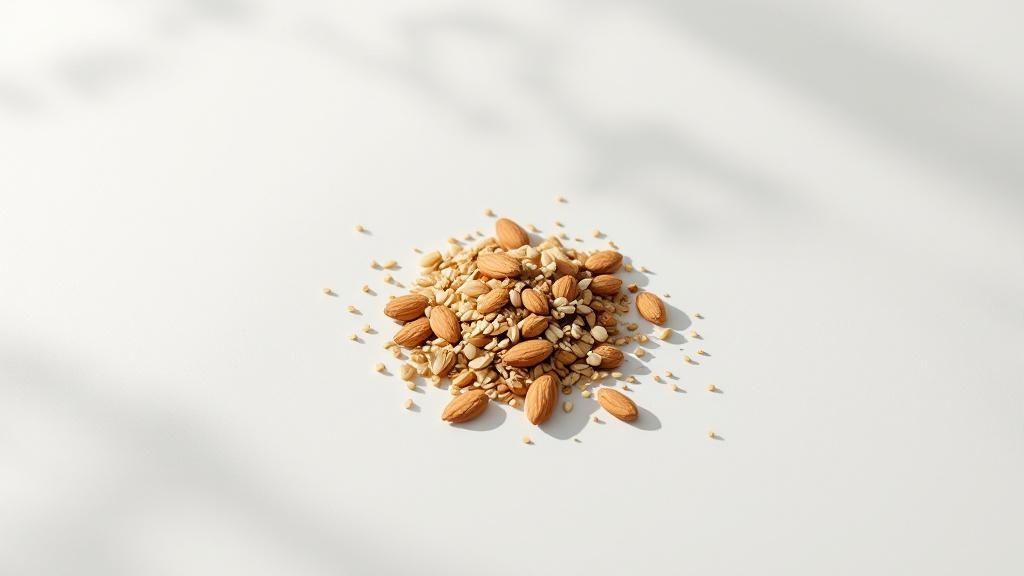
Nuts and seeds are nutrient-dense superfoods that offer a concentrated source of calcium and phosphorus, two of the most critical minerals for building and protecting tooth enamel. They also deliver healthy fats and other compounds that support robust gum health.
Why Nuts and Seeds Are Oral Health All-Stars
The benefits of nuts and seeds for your mouth are multifaceted. Almonds are an excellent source of calcium and protein while being low in sugar. Walnuts contain a wealth of nutrients, including fiber, folic acid, iron, and magnesium, which contribute to overall oral wellness.
Sesame seeds are particularly high in calcium, helping to preserve the bone around your teeth and gums. They also help scrub away plaque as you chew them. For a deeper understanding of proactive care, you can learn more about how to maintain healthy gums and why it's important.
Practical Ways to Incorporate Nuts and Seeds
Integrating these crunchy snacks into your diet is easy and rewarding. Here are some simple, effective tips:
- Choose Wisely: Opt for raw, unsalted varieties whenever possible to avoid excess sodium and added sugars that can counteract their benefits. Dentists often recommend plain almonds as an ideal tooth-friendly snack.
- Portion Control is Key: A small handful is generally a sufficient serving size. While nutritious, nuts are calorie-dense, so moderation is important for a balanced diet.
- Add to Meals: Sprinkle chopped walnuts on your salad, add sesame seeds to a stir-fry, or blend almond butter into your morning smoothie for an easy nutritional upgrade.
- Brush Afterward: Because of their texture, nut and seed particles can sometimes get lodged between teeth. It's a good practice to brush and floss after eating them to remove any lingering debris.
5. Fatty Fish (Salmon, Mackerel, Sardines)
When compiling your list of the best foods for healthy teeth and gums, fatty fish like salmon, mackerel, and sardines are essential additions. These cold-water fish are celebrated for their high concentration of omega-3 fatty acids and vitamin D.
These two nutrients play a critical role in maintaining oral and systemic health. Including them in your diet provides a powerful defense against inflammation, a key driver of gum disease.
Fatty fish serve as a primary dietary source of two crucial nutrients for your mouth: vitamin D and omega-3s. These components work together to build strong teeth and actively fight the inflammation that can lead to periodontal issues, making fish a smart choice for a healthy smile.
Why Fatty Fish Are Oral Health All-Stars
The primary benefit of fatty fish comes from their powerful anti-inflammatory properties. The omega-3 fatty acids they contain are known to help reduce gum inflammation and support the body's ability to fight periodontal disease.
In fact, studies published by the National Institutes of Health have shown a direct link between higher omega-3 intake and a lower incidence of gum disease (Source: NIH). Furthermore, fatty fish are one of the few natural food sources of vitamin D. This vitamin is vital because it helps your body absorb calcium, which is fundamental for building and maintaining strong tooth enamel.
Practical Ways to Incorporate Fatty Fish
Adding fatty fish to your diet is both delicious and straightforward. Here are a few practical tips to get started:
- Aim for Two Servings Weekly: The American Heart Association recommends eating two servings of fish, particularly fatty fish, per week. A serving is about 3.5 ounces cooked.
- Grill, Bake, or Broil: Prepare fish using healthy cooking methods like grilling, baking, or steaming to preserve its nutritional value without adding unhealthy fats.
- Opt for Canned Convenience: Don't overlook canned options like sardines or salmon. They are affordable, have a long shelf life, and are perfect for adding to salads, sandwiches, or pasta dishes.
- Choose Wisely: When possible, select wild-caught fish, as it often has a more favorable ratio of omega-3 to omega-6 fatty acids compared to some farm-raised varieties.
6. Green Tea
A warm cup of green tea does more than calm your senses; it is also a powerful beverage when considering the best foods for healthy teeth and gums. Green tea is celebrated for its profound health benefits, many of which directly impact your oral environment.
Its antioxidant-rich profile makes it a simple yet effective addition to a diet aimed at preserving a healthy smile.
Green tea's protective qualities stem from its high concentration of polyphenols, particularly a powerful antioxidant known as EGCG (epigallocatechin gallate). These compounds possess strong antibacterial and anti-inflammatory properties that help create a healthier oral ecosystem.
Why Green Tea Is an Oral Health All-Star
The catechins found in green tea are its main weapon against oral health issues. These antioxidants can inhibit the growth of Streptococcus mutans, the primary bacteria responsible for plaque formation and cavities.
Furthermore, these same compounds help reduce inflammation. This is crucial for gum health, as studies have shown a link between green tea consumption and lower rates of periodontal disease. Research published in the Journal of Periodontology found that men who drank green tea regularly had healthier gums than those who didn't. To further safeguard your gums, you can learn more about how to prevent gum disease.
Practical Ways to Incorporate Green Tea
Integrating green tea into your daily habits is easy and offers significant benefits. Here are a few practical ways to do it:
- Drink It Plain: For maximum oral health benefits, drink two to three cups of unsweetened green tea daily. Adding sugar will counteract its antibacterial effects.
- Use as a Mouth Rinse: Allow a cup of brewed green tea to cool completely. Use it as a natural, anti-inflammatory mouth rinse after meals to help control bacteria and soothe gums.
- Choose High-Quality Tea: Opt for high-quality loose-leaf tea or reputable tea bags to ensure you are getting the highest concentration of beneficial catechins.
- Rinse with Water Afterward: While beneficial, tea can cause surface stains on teeth over time. A simple swish of water after you finish your cup can help minimize discoloration.
7. Cranberries (Unsweetened)
While often associated with holiday meals, unsweetened cranberries are a surprising but powerful component in a diet focused on the best foods for healthy teeth and gums. These tart berries contain unique compounds that offer significant protection against the bacterial processes that lead to decay.
Their ability to disrupt harmful oral bacteria makes them a noteworthy addition to your dental health regimen.
Cranberries are more than just a source of antioxidants; they provide a targeted defense mechanism for your mouth. The key is their ability to make tooth surfaces "slippery" to the bacteria responsible for forming plaque.
Why Cranberries Are Oral Health All-Stars
The secret to cranberries' dental benefits lies in a specific type of antioxidant called A-type proanthocyanidins (PACs). These compounds are unique because they interfere with the ability of harmful bacteria to adhere to tooth enamel.
By preventing this initial attachment, cranberries disrupt the very first step in plaque formation. Less plaque means a lower risk of cavities and less irritation to the gums. It is crucial to note that these benefits come from unsweetened cranberries, as sugary versions would counteract any positive effects.
Practical Ways to Incorporate Cranberries
Adding unsweetened cranberries to your diet requires a little creativity. Here are some actionable tips:
- Choose Unsweetened Varieties: Always opt for 100% pure cranberry juice with no added sugar, or look for freeze-dried or fresh cranberries. Avoid sweetened dried cranberries and cranberry juice cocktails.
- Blend into Smoothies: Add a small handful of frozen or fresh cranberries to your morning smoothie. Their tartness can be balanced by other fruits like bananas or berries.
- Add to Savory Dishes: Finely chop fresh cranberries and add them to salads, grain bowls, or sauces for chicken or turkey. Their tart flavor can provide a bright, interesting contrast.
- Make a Healthy Trail Mix: Combine unsweetened, freeze-dried cranberries with nuts and seeds like almonds and pumpkin seeds for a tooth-friendly snack that is both crunchy and nutritious.
Frequently Asked Questions (FAQs)
Here are answers to common questions our patients in Scottsdale have about diet and oral health.
1. Which single food is best for preventing cavities?
While no single food can prevent cavities alone, dairy products like cheese and plain yogurt are top contenders. They are rich in calcium and phosphates, which remineralize enamel, and their proteins create a protective barrier on teeth. Eating cheese after a meal can also neutralize mouth acids, reducing the risk of decay.
2. Are fruits bad for my teeth because of the sugar?
Whole fruits like apples and pears are generally beneficial. Although they contain natural sugars, their high fiber and water content help clean teeth and stimulate saliva, which washes away sugar and acid. It’s fruit juices, dried fruits, and processed fruit snacks that pose a higher risk due to their concentrated sugar and lack of fiber.
3. How soon after eating should I brush my teeth?
The American Dental Association (ADA) recommends waiting about 60 minutes after eating to brush, especially after consuming acidic foods or drinks. Brushing immediately can scrub the acid into your enamel, causing more damage. Rinsing with water right after eating is a great way to neutralize acids while you wait.
4. Can my diet reverse gum disease?
Diet alone cannot reverse established periodontitis, which requires professional treatment from a dentist. However, a diet rich in anti-inflammatory foods (like fatty fish), vitamin C (from citrus fruits and leafy greens), and other nutrients can significantly support gum health, reduce inflammation, and help prevent the progression of gingivitis.
5. Does drinking water help my teeth and gums?
Absolutely. Water is essential for oral health. It helps rinse away food debris and bacteria, neutralizes harmful acids, and keeps your gums hydrated. For our residents in Scottsdale, staying hydrated in the Arizona climate is especially important. Fluoridated tap water provides an extra layer of defense by strengthening tooth enamel against decay.
Conclusion: Your Diet is a Key to Lifelong Oral Health
Building a smile that is both beautiful and resilient starts from within. As we've explored, your dietary choices play a foundational role in the health of your teeth and gums, working in tandem with your daily hygiene routine and professional dental care. Shifting your focus to a diet rich in foods for healthy teeth and gums is one of the most proactive steps you can take for your long-term oral wellness.
The journey to a healthier mouth is about strategic addition and mindful substitution. The leafy greens, crunchy vegetables, and nutrient-dense foods we've detailed are tools you can use every day to actively combat decay, reduce inflammation, and strengthen your smile. By making consistently better choices, you invest in your confidence, comfort, and systemic health for years to come.
While a nutrient-rich diet provides a strong foundation, it works best when paired with expert professional care. At Trinity Dental Care, Dr. Christine Ann Fink and her team help patients in Scottsdale connect the dots between lifestyle choices and oral health. We provide personalized guidance and comprehensive treatments to support you on your journey to a vibrant, healthy smile.
Ready to take the next step? Call us or book online today. Schedule an appointment today to see how our dedicated team can help you achieve your best oral health.