
When it comes to oral hygiene, what you don’t know can hurt you. From advice passed down through generations to trends seen online, a surprising amount of what we believe about our teeth is based on outdated information or simple misunderstandings.
These common dental myths often lead to habits that do more harm than good, potentially causing cavities, gum disease, and other preventable health issues. Believing that bleeding gums are normal or that brushing harder gets your teeth cleaner are just two examples of misconceptions that can compromise your long-term oral health.
This guide is designed to set the record straight. We will systematically debunk the most persistent dental myths with clear, evidence-based explanations. For each misconception, the team at Trinity Dental Care will provide accurate information and actionable advice you can implement immediately to improve your oral hygiene routine.
By separating fact from fiction, you can make informed decisions that protect your smile and overall wellness. This article empowers you to take control of your dental health with confidence, ensuring that your daily habits truly support a lifetime of healthy teeth and gums.
1. Sugar is the only cause of tooth decay
One of the most persistent common dental myths is that sugar is the sole villain responsible for cavities. While it plays a significant role, this belief oversimplifies the science behind tooth decay. The real culprit is not the sugar itself, but the acid produced when oral bacteria metabolize that sugar.
The True Cause of Cavities
When you consume sugary foods or drinks, bacteria in your mouth feast on the sugars and produce harmful acids. According to the American Dental Association (ADA), this acid attacks and demineralizes your tooth enamel, the hard, protective outer layer of your teeth. Over time, repeated acid attacks weaken the enamel, creating a small hole known as a cavity.
Therefore, it isn't just about how much sugar you eat, but also how often you expose your teeth to it. Frequent snacking on sugary items, even those perceived as healthy like dried fruit, keeps your mouth in an acidic state for longer periods, increasing your risk of decay.
Beyond Sugar: Other Factors at Play
Several factors beyond simple sugar intake contribute to your risk of developing cavities. Certain foods and drinks are inherently acidic and can erode enamel directly, without any bacterial involvement.
- Acidic Foods and Drinks: Diet sodas, citrus fruits, and wine can wear down enamel due to their high acid content.
- Starches: Foods like potato chips, bread, and pasta break down into simple sugars in the mouth, feeding the same acid-producing bacteria.
- Oral Hygiene: A poor brushing and flossing routine allows plaque, a sticky film of bacteria, to build up and continuously produce acid.
This concept map illustrates the key relationships between sugar, bacteria, and other factors in the formation of tooth decay.
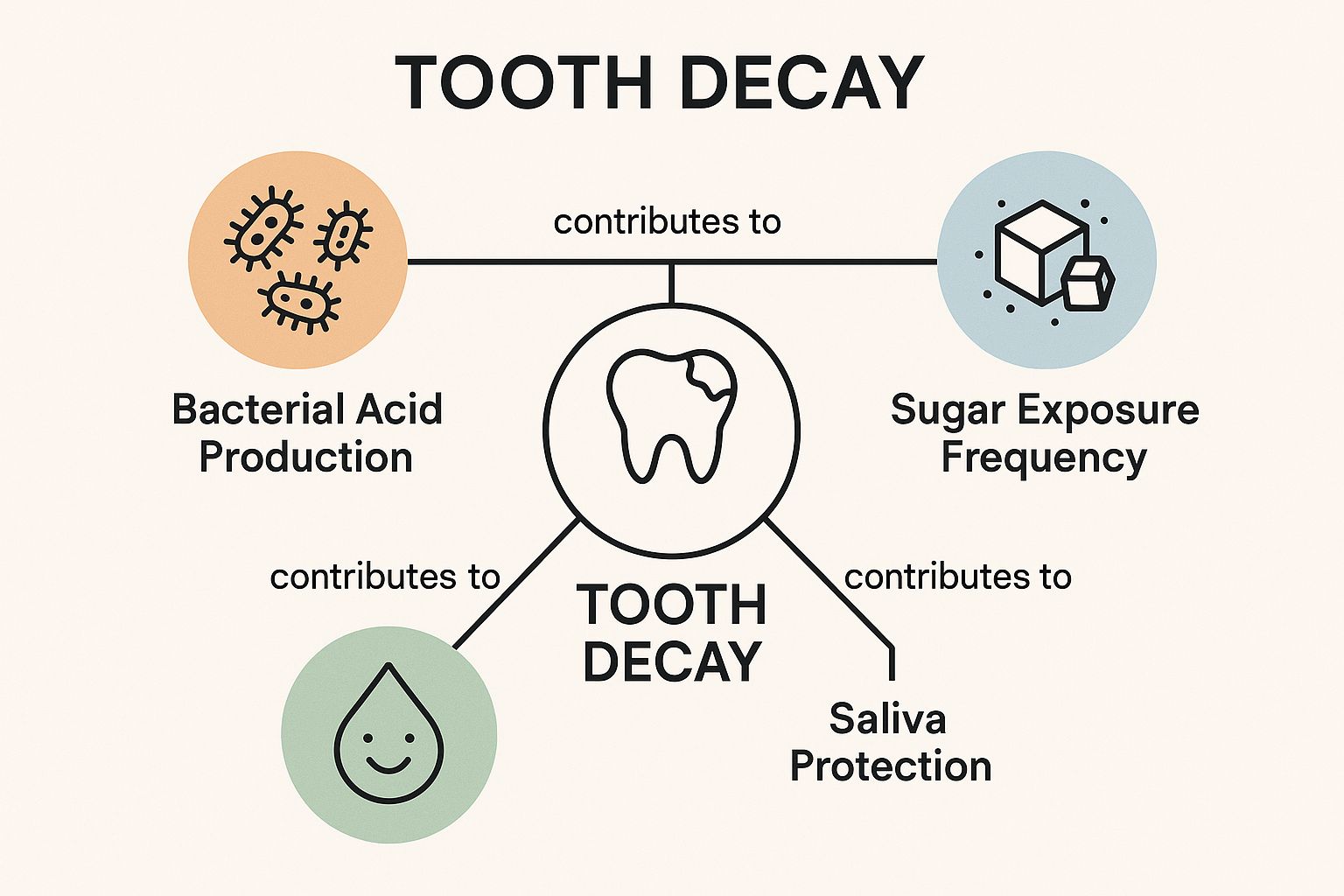
As the visualization shows, while sugar exposure is a major trigger, bacterial acid production is the direct cause of enamel erosion, which can be mitigated by protective factors like saliva. For a deeper understanding of the various contributing elements, you can learn more about the top causes of tooth decay and how to protect your smile.
2. Bleeding gums are normal and not a cause for concern
Among the most dangerous common dental myths is the belief that seeing a little blood after brushing or flossing is normal. Many people dismiss it as a sign of vigorous cleaning, but healthy gums should never bleed during routine oral care. This bleeding is almost always an early warning sign from your body.
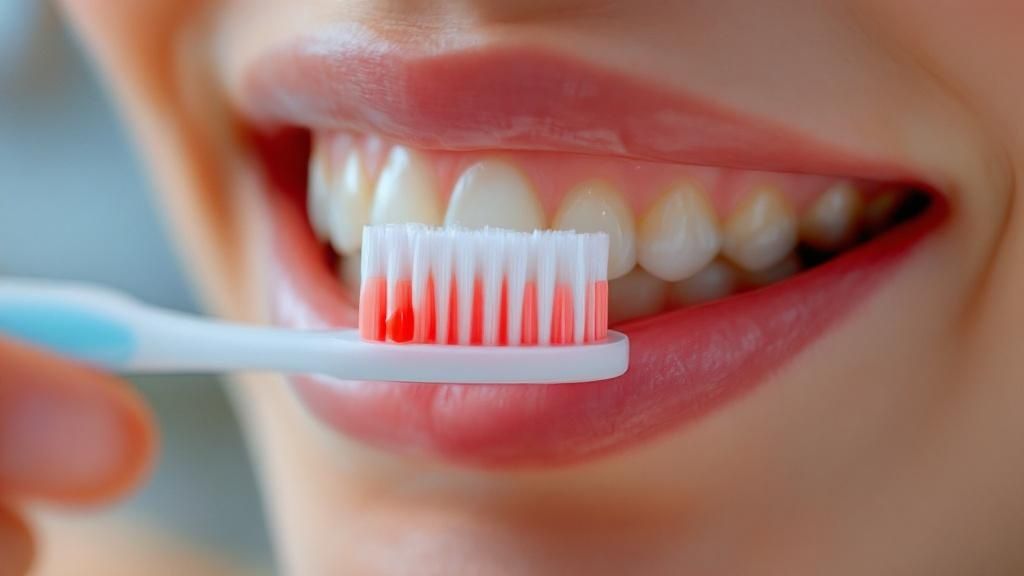
Ignoring bleeding gums means ignoring the initial stage of gum disease, known as gingivitis. The Centers for Disease Control and Prevention (CDC) notes that nearly half of adults over 30 have some form of gum disease. This condition is caused by plaque buildup along the gumline, leading to inflammation, swelling, and bleeding.
While gingivitis is reversible with proper care, neglecting it allows it to advance to a more severe, destructive stage.
The Progression to Serious Gum Disease
Gingivitis is your mouth's cry for help. When left untreated, the inflammation can progress into periodontitis, a serious infection that damages the soft tissue and destroys the bone supporting your teeth. This can lead to gum recession, loose teeth, and eventual tooth loss.
Furthermore, bleeding gums are not always just about plaque. They can be a symptom of other issues that require professional attention, highlighting why they should never be considered normal.
Other Causes of Bleeding Gums
While poor oral hygiene is the most frequent cause, other factors can also contribute to sensitive, bleeding gums. Understanding these can help you identify the root of the problem.
- Pregnancy Gingivitis: Hormonal changes during pregnancy can make gums more sensitive and prone to bleeding.
- Medication Side Effects: Certain medications, such as blood thinners or some anticonvulsants, can increase the likelihood of gum bleeding.
- Systemic Health Conditions: Diseases like diabetes or vitamin deficiencies can manifest with oral symptoms, including inflamed and bleeding gums.
- Improper Technique: Brushing too hard or using a hard-bristled brush can irritate delicate gum tissue.
If you notice your gums bleeding regularly, it’s a clear signal to act. Start by refining your oral hygiene routine with gentle but thorough techniques and see your dentist immediately to diagnose the underlying cause. For a comprehensive overview of this condition, you can learn more about the facts of gum disease and protect your oral and overall health.
3. Harder brushing cleans teeth better
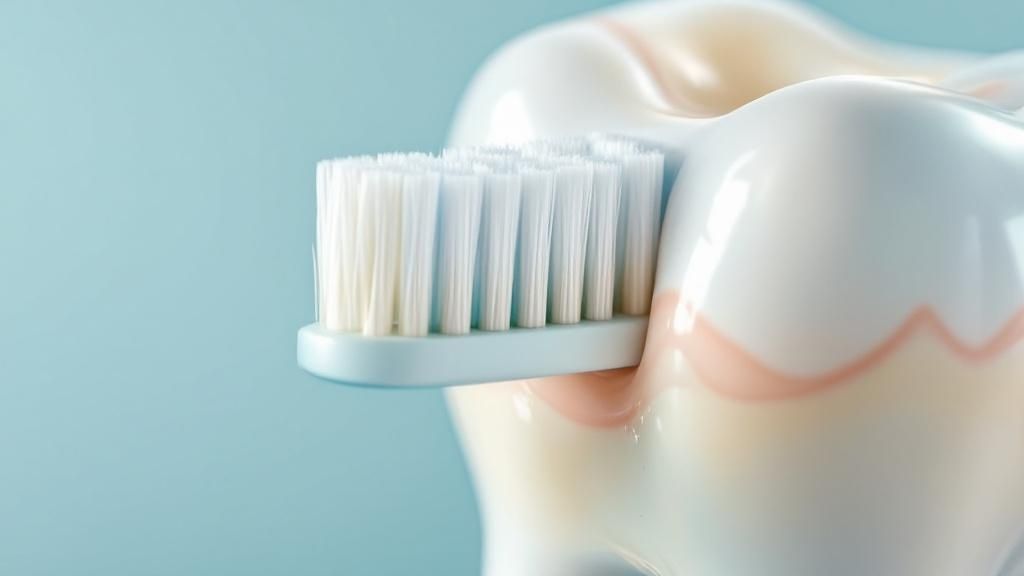
It’s a common misconception that applying more force while brushing equates to a more thorough cleaning. This is one of the more damaging common dental myths, as aggressive brushing can cause significant and often irreversible harm to your teeth and gums. The goal of brushing is to gently remove plaque, not to scrub your teeth into submission.
The Truth About Brushing Pressure
Your tooth enamel is the hardest substance in the human body, but it is not invincible. Brushing too hard, a condition known as "toothbrush abrasion," wears down this protective layer over time. This leads to increased tooth sensitivity and makes your teeth more susceptible to cavities.
Furthermore, your gums are made of delicate tissue. Aggressive brushing can cause them to recede, exposing the sensitive root surfaces of your teeth. This gum recession is not only painful but can also lead to more serious periodontal issues.
Proper Technique is Key, Not Force
Effective plaque removal comes from proper technique and consistency, not brute force. A gentle, methodical approach ensures you clean all surfaces without causing damage.
- Use a Soft-Bristled Brush: The ADA recommends a soft-bristled brush. Medium and hard bristles are too abrasive for daily use and can damage enamel and gums.
- Apply Gentle Pressure: Hold your toothbrush with a light grip, similar to how you would hold a pen. The bristles should just bend slightly against your teeth.
- Focus on Technique: Use small, circular motions and angle the brush at 45 degrees toward your gum line. Ensure you brush for a full two minutes, twice a day.
- Consider an Electric Toothbrush: Many modern electric toothbrushes come with built-in pressure sensors that alert you if you are pressing too hard, helping you develop better habits.
The following video demonstrates the correct brushing technique to protect your oral health.
As the demonstration shows, a gentle touch is more effective and far safer for your long-term dental health. By focusing on the right method instead of force, you can maintain a clean and healthy smile for life. For more guidance on protecting your family's smiles, you can learn how to teach good brushing habits and ensure everyone practices safe and effective oral hygiene.
4. You don't need to floss if you brush well
One of the most damaging common dental myths is the belief that thorough brushing is enough to keep your teeth completely clean. Many people in Scottsdale skip flossing, thinking their high-tech toothbrush covers all the bases. However, this misconception ignores the anatomy of your teeth and the nature of plaque.
Even the most advanced toothbrush bristles cannot effectively clean the tight spaces between your teeth and under the gumline. These areas account for roughly 35% of your tooth surfaces, leaving a significant portion untouched and vulnerable.
The True Purpose of Flossing
Flossing is not an optional extra; it is a critical component of a complete oral hygiene routine. Its primary job is to remove plaque, a sticky film of bacteria and food debris, from the interdental spaces that brushing misses. When plaque is left to accumulate in these areas, it hardens into tartar and leads to serious dental problems.
Skipping this step allows bacteria to thrive between your teeth, producing acids that cause interdental cavities. It also irritates the gums, leading to inflammation, bleeding, and eventually gum disease (gingivitis and periodontitis).
Making Flossing an Effective Habit
Integrating flossing into your daily routine is essential for preventing decay and maintaining gum health. The key is to be consistent and use the proper technique to maximize its benefits without causing harm.
- Proper Technique: Use about 18 inches of floss, wrapping it around your middle fingers and using your index fingers and thumbs to guide it. Gently curve the floss into a "C" shape against each tooth and slide it beneath the gumline.
- Consider Alternatives: If traditional floss is difficult for you to use, alternatives like water flossers, interdental brushes, or floss picks can be highly effective at cleaning between teeth.
- Be Gentle: Snapping the floss aggressively can damage your delicate gum tissue. Use a gentle, controlled rubbing motion to effectively remove plaque.
By understanding that brushing alone is incomplete, you can take the necessary steps to protect your entire smile. To learn more about why this simple habit is so crucial, you can explore the importance of flossing and how it safeguards your long-term oral health.
5. Baby teeth don't matter since they fall out anyway
One of the most damaging common dental myths for children's oral health is the idea that primary teeth, or "baby teeth," are disposable and don't require care. Since they will eventually be replaced, some parents believe that cavities or early loss of these teeth are not serious issues. This misconception overlooks the critical role that baby teeth play in a child's development.
The True Importance of Primary Teeth
Primary teeth are not just placeholders; they are essential for a child's immediate and long-term well-being. They serve several vital functions that directly impact a child's ability to eat, communicate, and develop a healthy adult smile. Neglecting them can lead to significant pain, infection, and future orthodontic problems.
The health of baby teeth sets the foundation for permanent teeth. Severe decay in a primary tooth, known as early childhood caries, can cause painful infections that may spread to the developing permanent tooth bud beneath it, potentially causing defects in its enamel.
Beyond a Temporary Smile: Lifelong Consequences
Ignoring the health of primary teeth can lead to a cascade of negative effects that extend well into adolescence and adulthood. These teeth are instrumental in guiding the permanent teeth into their proper positions.
- Proper Nutrition and Speech: Healthy baby teeth allow a child to chew a variety of foods properly, supporting good nutrition. They are also crucial for the development of clear speech patterns.
- Space Maintenance: Each baby tooth holds a specific spot for the permanent tooth that will replace it. If a primary tooth is lost too early due to decay or injury, the neighboring teeth can drift into the empty space, causing crowding and misalignment when the adult teeth emerge.
- Preventing Pain and Infection: Untreated cavities in baby teeth can lead to abscesses, which are serious and painful infections that can affect a child’s overall health, ability to eat, and even their performance in school.
Proper care from the very beginning is the best way to avoid these preventable issues. For a complete guide on this topic, you can learn more about the importance of caring for baby teeth and establish a strong foundation for your child's lifelong oral health.
6. Dental problems are purely genetic and unavoidable
Another one of the most discouraging common dental myths is the belief that dental health is predetermined by your genes. Many people resign themselves to a future of cavities and gum disease, believing that if their parents had bad teeth, they will too. While genetics certainly play a role, they are far from the only factor determining your oral health destiny.
This fatalistic view overlooks the tremendous power of personal habits and professional dental care. Your daily choices have a profound impact that can often override genetic predispositions.
The True Influence of Genetics
Genetics can influence several aspects of your oral health, from the structure of your teeth to the composition of your saliva. Some individuals may be genetically more susceptible to conditions like gum disease or may have softer enamel that is more prone to decay. Certain rare genetic disorders, such as amelogenesis imperfecta, directly affect tooth development.
However, knowing your family's dental history is not a sentence; it's a strategic advantage. It allows you and your dentist to create a highly personalized and proactive care plan to mitigate those specific risks before they become problems.
Beyond Your DNA: Lifestyle and Hygiene Reign Supreme
Your environment and behaviors are powerful tools in shaping your dental health, regardless of your genetic makeup. Even with a high genetic risk for cavities, you can maintain a healthy, beautiful smile.
- Oral Hygiene: A diligent routine of brushing twice a day and flossing daily is your number one defense. It removes the plaque and bacteria that cause decay and gum disease, effectively neutralizing daily threats.
- Dietary Choices: Limiting sugary and acidic foods, and focusing on a balanced diet rich in vitamins and minerals, strengthens your teeth from the inside out.
- Professional Care: Regular checkups and cleanings at Trinity Dental Care in Scottsdale allow for early detection and intervention. This is crucial for managing genetic risks and preventing minor issues from escalating.
Ultimately, your daily habits are the most significant contributor to your long-term oral wellness. Never use genetics as an excuse for neglecting your oral hygiene; instead, use it as motivation to be even more vigilant.
7. Whitening toothpastes can damage your teeth
A prevalent concern among those seeking a brighter smile is that whitening toothpastes are inherently harmful and will wear away tooth enamel. This is one of the more understandable common dental myths, as the idea of "scrubbing" stains away sounds abrasive. However, most modern, ADA-approved whitening toothpastes are perfectly safe for daily use.
The Science of Safe Whitening
Most whitening toothpastes work not by bleaching the teeth, but by using special abrasives or chemical agents to remove surface stains. These ingredients are designed to be effective at polishing away stains from coffee, tea, and tobacco without being harsh enough to damage the underlying enamel.
The American Dental Association (ADA) evaluates these products for both safety and efficacy. When you choose a toothpaste with the ADA Seal of Acceptance for whitening, you can be confident that its abrasivity level is within a safe range for lifelong use and that it effectively removes surface stains.
When to Be Cautious
While most over-the-counter options are safe, problems can arise from misuse or choosing the wrong products. Using a highly abrasive paste too aggressively or too frequently could potentially lead to enamel wear and tooth sensitivity over time.
- Look for the ADA Seal: This is your primary indicator of a product that has been tested and found to be safe and effective.
- Follow Instructions: Always use whitening products exactly as directed on the packaging. Overuse will not speed up results and may cause irritation.
- Monitor for Sensitivity: If you notice new or worsening tooth sensitivity, take a break from the whitening toothpaste and consult with your dentist.
- Consult a Professional: For stubborn, deep-set stains, over-the-counter products may not be sufficient. Professional treatments at Trinity Dental Care offer more powerful and targeted results without compromising your enamel's health.
For those in Scottsdale seeking a reliably brighter smile, it's always best to discuss your whitening goals with us. We can recommend safe products or provide professional treatments that deliver stunning results while prioritizing your long-term oral health.
8. Dental X-rays are dangerous and should be avoided
One of the more serious common dental myths is the belief that dental X-rays are dangerously radioactive and best avoided. This fear, often stemming from concerns about radiation exposure, leads some patients to refuse a critical diagnostic tool. However, this myth overlooks the significant advancements in dental technology and the essential role X-rays play in maintaining oral health.
The Truth About X-Ray Safety
Modern dental radiography is incredibly safe and utilizes an extremely low dose of radiation. The amount of exposure from a full mouth series of digital X-rays is often less than the amount of natural background radiation you are exposed to in a single day from environmental sources.
At Trinity Dental Care, we use state-of-the-art digital X-ray technology that minimizes radiation exposure by up to 90% compared to older film-based systems. This technology provides instant, high-quality images that are crucial for accurate diagnosis and effective treatment planning.
Why X-Rays Are Essential for Diagnosis
A visual examination only reveals the surface of your teeth and gums. Dental X-rays are the only way for your dentist to see what is happening beneath the surface, allowing for the early detection of problems that are invisible to the naked eye.
- Hidden Cavities: X-rays can detect decay between teeth and under existing fillings long before it becomes visible or causes pain.
- Bone Loss: They are essential for assessing bone loss associated with advanced gum disease (periodontitis).
- Impacted Teeth: Radiographs can identify impacted wisdom teeth or other unerupted teeth that may cause future complications.
- Abscesses and Cysts: They reveal infections at the root of a tooth or in the jawbone, which require immediate attention.
Refusing dental X-rays can allow serious conditions to progress undetected, leading to more complex, painful, and expensive treatments down the road. It is vital to discuss any concerns you have with your Scottsdale dentist, who can explain the necessity of the images for your specific situation.
Frequently Asked Questions About Common Dental Myths
1. Is it true that you should wait to brush your teeth after eating?
Yes, this is generally true, especially after consuming acidic foods or drinks. The acid temporarily softens your tooth enamel, and brushing immediately can wear it away. The ADA suggests waiting about 60 minutes before brushing to allow your saliva to neutralize the acid and remineralize the enamel.
2. Can charcoal toothpaste really whiten and clean my teeth safely?
While popular, there is no scientific evidence from the ADA to prove that charcoal toothpaste is safe or effective. In fact, its abrasive nature may harm your tooth enamel and gums. It's best to stick with ADA-approved whitening toothpastes or consult your dentist about professional whitening options.
3. If my teeth don't hurt, does that mean they are healthy?
Not necessarily. Many serious dental problems, like early-stage cavities, gum disease (gingivitis), and even oral cancer, often don't cause pain until they are in advanced stages. This is why regular checkups with a family dentist in Scottsdale are so important for early detection and prevention.
4. Do I need to see a dentist if a piece of my tooth chips off but it doesn't hurt?
Yes, you should always see a dentist. Even a small, painless chip can have a sharp edge that irritates your tongue or cheek. More importantly, the chip can weaken the tooth's structure, making it more vulnerable to further fracture or decay.
5. Are electric toothbrushes really better than manual ones?
Both can be effective if used with proper technique. However, many people find it easier to clean their teeth thoroughly with an electric toothbrush. Features like built-in timers and pressure sensors can significantly improve brushing habits and reduce the risk of gum damage, making them a superior choice for many patients.
Conclusion: Partner with Trinity Dental Care for a Myth-Free, Healthy Smile
Navigating the world of oral health can feel overwhelming with all the misinformation out there. From misguided notions about sugar to the dangerous belief that bleeding gums are normal, these common dental myths can actively harm your long-term health. By dismantling these misconceptions, you empower yourself to make informed decisions that protect your smile.
You now understand that it’s acid from bacteria, not just sugar, that causes decay. You've learned that aggressive brushing damages enamel and that flossing is a non-negotiable step for complete oral hygiene. Knowing the truth behind these myths is the first step toward a lifetime of oral wellness.
Your Next Steps Toward a Confident Smile
Moving beyond dental myths is crucial, but putting knowledge into action is what truly matters. This means committing to a comprehensive at-home care routine and partnering with a dental team that prioritizes patient education and preventive care. Your oral health is intrinsically linked to your systemic health, and investing in it is an investment in your quality of life.
At Trinity Dental Care, we are dedicated to providing Scottsdale families with clear, honest, and compassionate guidance. We are here to answer your questions, address your concerns, and create a personalized care plan that aligns with your unique health goals.
Don't let dental myths dictate the future of your smile. Take control of your oral health by partnering with a team that values education and patient-centered care. Schedule your appointment at Trinity Dental Care today and let us help you build a foundation of truth and wellness for a lifetime of healthy smiles. Call us or book online to start your journey.