
Let's be honest—bad breath is a common, but often frustrating, problem. While the simple answer to what causes bad breath is often blamed on bacteria in your mouth, the real reasons they thrive are far more complex. The causes can range from simple hygiene habits to much deeper, hidden health issues.
At Trinity Dental Care, we believe that understanding the root cause is the first step toward finding a lasting solution for our patients in Scottsdale, AZ.
The Hidden Causes of Bad Breath
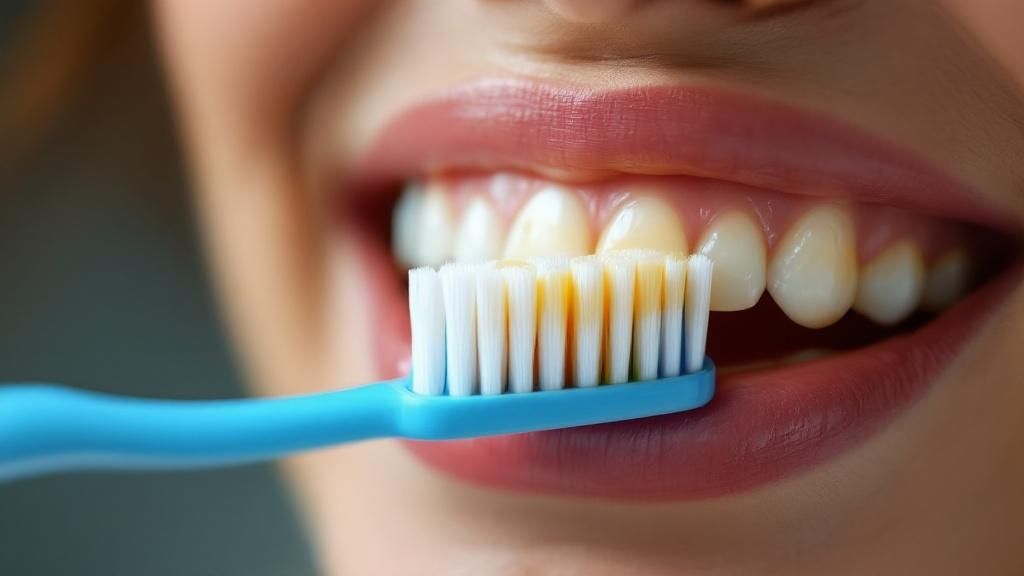
If you've ever felt self-conscious about your breath, you are certainly not alone. Bad breath, known clinically as halitosis, is an incredibly widespread issue that affects people of all ages. Occasional "morning breath" or a bit of an odor after a garlicky meal is perfectly normal, but when it becomes a chronic problem, it can really start to impact your confidence and social life.
The prevalence of bad breath varies quite a bit around the globe. Some studies have highlighted just how common it is, with one showing rates as high as 65.9% among certain groups of patients. You can dig into the full study about halitosis prevalence to learn more about those findings. That number alone shows just how many people are searching for a real solution.
Understanding the Source
The journey to fresh breath always begins with understanding its root cause. Think of your mouth as a bustling ecosystem. When everything is in balance, it runs smoothly, but when things get out of whack, odor-causing bacteria can quickly take over.
These microscopic culprits love to feast on leftover food particles, dead cells, and other debris hanging around in your mouth. As they break down these proteins, they release foul-smelling gases called volatile sulfur compounds (VSCs). It's these compounds that are the direct source of that unpleasant smell.
The real goal isn't just to mask the odor temporarily; it’s to address the underlying conditions that allow these bacteria to flourish in the first place. At Trinity Dental Care, we help our patients in Scottsdale understand that finding the why behind their bad breath is the most critical first step. The main factors that contribute to this bacterial overgrowth almost always fall into a few key categories:
- Oral Health and Hygiene: This is the most common culprit by far, accounting for the vast majority of cases.
- Diet and Lifestyle Choices: What you eat, drink, and do on a daily basis plays a surprisingly significant role.
- Underlying Medical Conditions: Sometimes, persistent bad breath is your body's way of signaling a deeper health issue that needs attention.
How Your Oral Health Creates Bad Breath
Think of your mouth as a complex and bustling ecosystem. When it’s healthy and everything is in balance, it all works in perfect harmony. But when things get out of whack, it creates the perfect breeding ground for problems—in fact, research shows that a staggering 90% of bad breath cases start right here in the mouth.
This section will unpack exactly what's happening from an oral health perspective. We'll explore how seemingly small misses in your daily routine can lead to chronic halitosis and why professional dental care is your most powerful line of defense.
This infographic breaks down some of the most common triggers that can throw your oral ecosystem off balance.
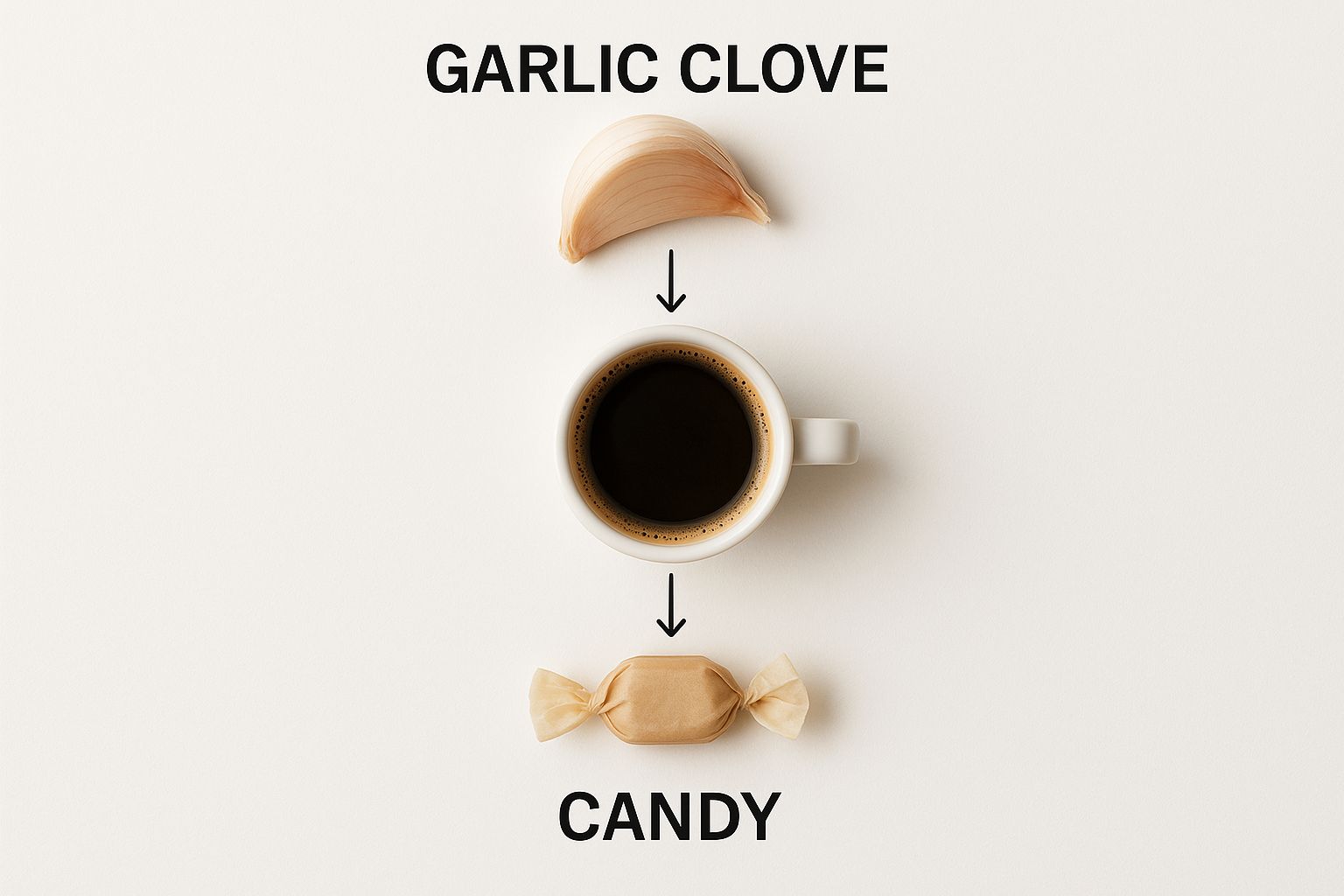
While things like garlic and coffee are well-known temporary culprits, it’s really the plaque buildup from sugary and starchy foods that fuels the deeper, more persistent bacterial problem.
The Role of Bacteria and Plaque
The true source of that foul odor is the activity of specific types of bacteria. These microscopic culprits absolutely thrive in low-oxygen environments, feasting on leftover food particles, dead cells, and even the proteins found in your own saliva.
As these bacteria break down this material, they release smelly gases known as volatile sulfur compounds (VSCs). It’s this bacterial waste that produces the distinct, unpleasant odor we all recognize as bad breath. These bacteria are masters of hiding in places your toothbrush just can't reach.
Bad breath isn't just a smell; it's a direct byproduct of bacterial activity. The secret to fresh breath isn't just masking the odor, but controlling the bacteria that create it in the first place.
So, where are these odor-causing bacteria hiding?
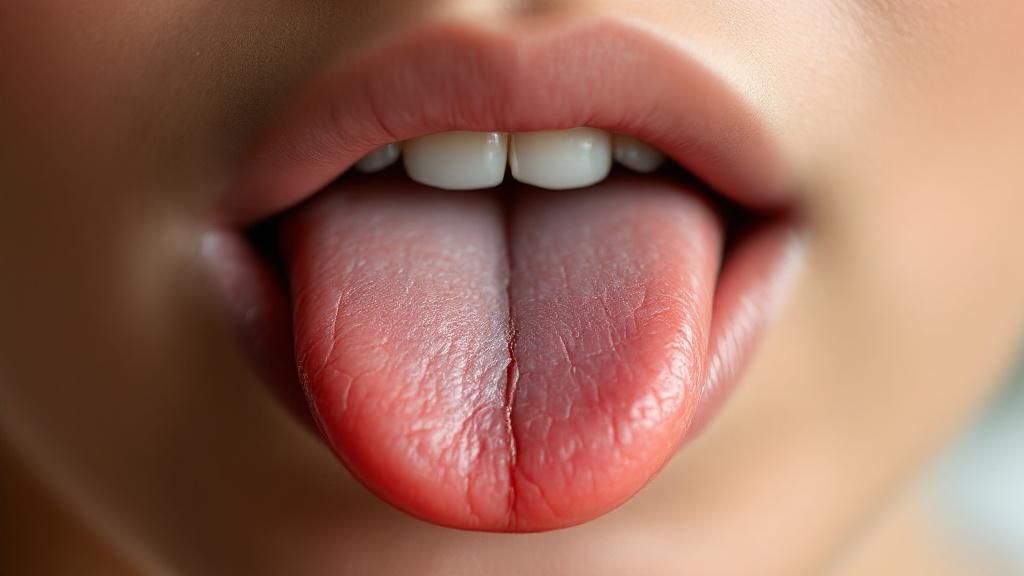
- The Back of the Tongue: The tongue's rough, bumpy surface is filled with tiny crevices, making it a perfect spot for bacteria to accumulate.
- Between the Teeth: Those tight spaces are where food gets trapped and plaque can build up completely undisturbed.
- Beneath the Gumline: The small pockets between your teeth and gums offer a protected, oxygen-poor haven where these bacteria can multiply.
How Dental Problems Amplify the Issue
While a solid daily hygiene routine is crucial, existing dental problems can make it nearly impossible to keep bad breath at bay on your own. Conditions like cavities and gum disease essentially create permanent homes for VSC-producing bacteria, making the problem chronic.
To give you a clearer picture, here’s a breakdown of the most common oral health issues that lead to bad breath and the other warning signs you should look for.
Top Oral Causes of Bad Breath and Their Symptoms
| Oral Condition | How It Causes Bad Breath | Other Symptoms to Watch For |
|---|---|---|
| Cavities (Dental Caries) | A cavity is a hole in your tooth where bacteria and food debris get trapped. This decaying matter creates a constant source of foul odors that are difficult to clean away. | Tooth sensitivity to hot, cold, or sweets; visible holes or pits in teeth; pain when biting down. |
| Gum Disease (Gingivitis) | Inflamed gums create an environment where plaque and bacteria thrive along the gumline. This early stage of gum disease produces a noticeable metallic or sour smell. | Red, swollen, or tender gums; gums that bleed easily when you brush or floss. |
| Advanced Gum Disease (Periodontitis) | As gum disease worsens, deep pockets form between the teeth and gums. These pockets are perfect anaerobic breeding grounds for the most aggressive odor-causing bacteria. | Gums pulling away from teeth; persistent bad taste; pus between teeth and gums; loose teeth. |
| Plaque & Tartar Buildup | Plaque is a sticky film of bacteria. If not removed, it hardens into tartar, which is a rough, porous surface that traps even more bacteria and stains, leading to constant bad breath. | A fuzzy feeling on teeth; yellow or brown deposits on teeth, especially near the gumline. |
These conditions don't just affect a few people. The World Health Organization reports that oral diseases are a massive global issue, with nearly 3.7 billion people affected by problems like tooth decay and gum disease—both major drivers of halitosis. You can learn more about the global impact of oral diseases from the WHO.
Ultimately, the foundation for genuinely fresh breath is maintaining excellent oral health through consistent home care and regular professional check-ups. Visiting your dentist for cleanings is the only way to remove hardened plaque (tartar) and disrupt the bacterial colonies hiding in those hard-to-reach areas. You can discover more about why teeth cleanings are important for preventing these very issues.
The Impact of Diet and Lifestyle Choices
While your daily cleaning routine is the foundation of good oral health, your diet and lifestyle choices play an equally powerful role in the battle against bad breath. What you eat—and how you live—can either support a fresh, healthy mouth or create the perfect storm for odor-causing bacteria to thrive.
Think of it this way: certain foods and habits work from the inside out, affecting your breath long after you've finished eating or drinking. These choices can be a major factor in what causes bad breath, sometimes in ways that catch people completely by surprise.
How Food Affects Your Breath From the Inside Out
We all know that pungent foods like garlic and onions can leave a lasting impression. But it's a bit more complicated than just food particles getting stuck in your teeth. When you digest these foods, their smelly chemical compounds are absorbed directly into your bloodstream.
From there, they take a trip to your lungs and are exhaled with every single breath. This is why brushing, flossing, or swishing mouthwash right after a garlicky meal doesn't completely solve the problem—the odor is literally coming from within and can stick around for hours.
But it’s not just about the obvious culprits. A diet high in sugar and refined carbohydrates creates a whole different set of problems. Sugary foods are the absolute favorite fuel for the bacteria that produce volatile sulfur compounds (VSCs), which are the foul-smelling gases behind halitosis. Every sugary snack or drink is like throwing a feast for these unwelcome microbes, helping them multiply and produce even more odor.
Lifestyle Habits That Cripple Your Defenses
Some lifestyle choices directly sabotage your mouth's natural ability to stay clean and fresh. Smoking and tobacco use are major offenders, and they do a lot more than just leave a stale, smoky smell behind.
The chemicals in tobacco products reduce your saliva flow, stain your teeth, and dramatically increase your risk for gum disease—a primary cause of chronic bad breath. This combination creates a persistent odor that is incredibly difficult to mask or eliminate.
Dehydration and dry mouth are two of the biggest, and most overlooked, contributors to persistent bad breath. When your mouth is dry, it can't effectively wash away food debris and bacteria, allowing them to pile up and produce odors.
Alcohol consumption is another significant contributor to halitosis. It acts as a diuretic, which leads to dehydration and causes xerostomia, the clinical term for dry mouth. A dry mouth is the ideal breeding ground for bacteria, since there isn't enough saliva to neutralize acids and wash away food particles. This is a big reason why "morning breath" often feels so much worse after a night of drinking.
Finally, keep in mind that many common medications list dry mouth as a side effect. This is an important factor to discuss with both your doctor and your dentist in Scottsdale if you're struggling with bad breath that just won't go away. Simply keeping your body hydrated and your mouth moist is a critical step toward achieving lasting fresh breath.
When Bad Breath Is a Sign of a Health Problem
While most cases of what causes bad breath start right in the mouth, sometimes the problem runs much deeper. If you’re on top of your oral hygiene—brushing, flossing, and visiting your dentist like clockwork—but chronic halitosis just won't go away, it might be your body sending up a flare.
Think of it like a check-engine light for your health. Persistent bad breath, especially after you've ruled out dental causes, is often a secondary symptom of a systemic condition. It’s a sign you really shouldn't ignore, as it can point toward issues originating far from your mouth.
Respiratory and Sinus Connections
Your respiratory system is a very common non-oral source of bad breath. The nose, sinuses, and throat are all directly connected to your mouth, so it makes sense that any infection or inflammation in these areas can create odors you exhale.
Common culprits in this category include:
- Sinus Infections (Sinusitis): When your sinuses get infected and inflamed, fluid and mucus can get trapped. This stagnant fluid creates a perfect breeding ground for bacteria, producing a distinct, unpleasant odor that drains into the back of your throat.
- Post-Nasal Drip: Whether it's from allergies or a cold, that constant drip of mucus down your throat provides a steady meal for odor-causing oral bacteria.
- Tonsil Stones (Tonsilloliths): Your tonsils have little nooks and crannies where bacteria, dead cells, and bits of food can get trapped. Over time, this gunk can harden into foul-smelling "stones" that cause stubborn bad breath.
These conditions usually need a visit to your medical doctor for a proper diagnosis and treatment. Once the underlying respiratory issue gets sorted out, the related bad breath often vanishes right along with it.
Systemic Diseases and Their Telltale Odors
In less common but more serious situations, a specific type of breath odor can be a symptom of a significant underlying disease. This happens when a medical condition causes certain chemicals to build up in your bloodstream, which are then released through your lungs as you breathe.
While these connections are real, you should never try to self-diagnose based on breath odor alone. If you suspect your halitosis is linked to a medical condition, getting a professional diagnosis from your doctor is absolutely essential.
Different diseases can produce distinct breath odors:
- A sweet, fruity odor can sometimes point to ketoacidosis, a serious complication of uncontrolled diabetes.
- An odor described as fishy or ammonia-like may be a sign of chronic kidney disease.
- A musty or slightly sweet smell, known as fetor hepaticus, can be associated with liver failure.
On top of that, conditions like GERD (gastroesophageal reflux disease) can cause stomach acid and undigested food to come back up, leading to a sour or acidic breath odor. While many of these are manageable, persistent bad breath that doesn't improve with dental care definitely warrants a deeper look. Recognizing the facts of gum disease is also critical, as it can sometimes mimic or worsen these symptoms.
The key takeaway is to see your dentist in Scottsdale first to rule out oral causes. If the problem continues, it’s time to consult your physician.
Your Action Plan for Fresh Breath
Knowing what causes bad breath is one thing, but actually doing something about it is what brings back your confidence. This guide isn't about generic advice; it's a clear, practical plan to get rid of halitosis by tackling it at the source.
If you’re struggling, you’re far from alone. It's a huge issue, with estimates showing that somewhere between 35% and 45% of people around the world deal with some form of halitosis. Here in the U.S., that adds up to over 80 million people, fueling an industry that spends over $10 billion a year on oral hygiene products. You can read more about these bad breath statistics to see just how common this is. The best part? Most cases are completely preventable and treatable with the right approach.
Master Your Daily Hygiene Routine
Your toothbrush and floss are your most powerful allies, but only if you use them correctly. Great daily care comes down to being precise and consistent, making sure you break up the bacterial colonies where odors start.
- Brush Better, Not Harder: Make sure you brush for a full two minutes, twice a day. A soft-bristled brush and fluoride toothpaste are all you need to clean every surface of every tooth. Pay close attention to the gumline, as that’s where plaque loves to hide out.
- Don't Skip Flossing: Flossing is absolutely non-negotiable. It’s the only way you’re going to get the food particles and plaque out from between your teeth and just under your gums—which is prime real estate for smelly bacteria.
- Clean Your Tongue: The back of your tongue is a major bad breath culprit. Use a tongue scraper or even the back of your toothbrush every day to gently clear away the film of bacteria that accumulates there.
Think of your oral hygiene as a targeted cleaning mission. The goal isn't just to go through the motions. You want to actively remove the fuel source—bacteria and food debris—from every single nook and cranny in your mouth, including your teeth, gums, and tongue.
Make Smart Lifestyle and Dietary Swaps
The habits you keep every day can either work for you or against you. A few simple changes can make a massive difference in controlling bad breath from the inside out.
First, drink more water. Staying hydrated is key to stimulating saliva, which is your mouth's built-in cleaning system. It’s constantly at work rinsing away food debris and neutralizing the acids that bacteria produce.
Next, pick the right mouthwash. Don't just grab a cosmetic rinse that temporarily masks the smell with a minty flavor. You want a therapeutic, antibacterial mouthwash with ingredients like cetylpyridinium chloride, which actually kills the germs causing the problem. And if you use tobacco, finding support to help you quit is one of the single most impactful things you can do for your breath and your overall health.
Finally, nothing beats professional dental care for maintaining fresh breath long-term. Regular check-ups and cleanings at our Scottsdale practice let us remove the hardened tartar you can't get at home and catch problems like gum disease before they get serious. This consistent care is vital, and you can learn more by checking out our guide on how to prevent gum disease with 7 tips for good oral health.
Frequently Asked Questions About Bad Breath
At our Scottsdale practice, we hear many of the same questions about halitosis from our patients. Here are answers to the most common queries.
1. Why does my breath still smell bad after brushing my teeth?
This is a common frustration, and it usually means odor-causing bacteria are hiding in places your toothbrush can't reach. The most likely culprits are the back of your tongue, the spaces between your teeth, or below the gumline. An undiagnosed cavity or early-stage gum disease could also be the source.
2. Can children get chronic bad breath?
Yes, halitosis can affect children. The causes are often similar to adults, like improper brushing or a sugary diet. However, it can also be linked to enlarged tonsils, post-nasal drip from allergies, or even a small object stuck in a nasal passage. If your child’s bad breath persists, a visit to a family dentist in Scottsdale is a good first step.
3. Are there foods that can help fight bad breath?
Absolutely. Crunchy fruits and vegetables like apples, carrots, and celery act like natural toothbrushes, scrubbing away plaque and stimulating saliva. Probiotic-rich foods like yogurt can help balance the bacteria in your mouth, while green tea contains compounds that temporarily suppress odor-causing germs. These are great additions to your routine, as detailed in our guide on 5 dental habits for a healthier mouth.
4. How do I know if my bad breath is a dental or medical issue?
The best rule of thumb is to start with your dentist. Since approximately 90% of bad breath cases originate in the mouth (according to the American Dental Association), a dental exam is the most effective starting point. If your dentist at Trinity Dental Care gives you a clean bill of oral health but the problem continues, we will recommend you consult your primary care physician to investigate potential systemic causes.
5. Does mouthwash actually cure bad breath?
Most over-the-counter mouthwashes are cosmetic; they use strong flavors to mask odor for a short time but don't address the root cause. For a real solution, look for a therapeutic mouthwash containing antibacterial ingredients like cetylpyridinium chloride or chlorine dioxide. These rinses are designed to kill the germs that produce bad odors, offering a more effective, long-term benefit.
Conclusion: Take Control of Your Oral Health in Scottsdale
Bad breath is almost always a treatable condition, but the key is identifying the specific cause. Whether it's a simple adjustment to your hygiene routine, a dietary change, or a signal of an underlying health concern, understanding the "why" is what empowers you to find a permanent solution. The power to fix the problem is completely within your reach.
If you are a resident of Scottsdale, Arizona, or surrounding areas and are tired of guessing what causes your bad breath, our compassionate team at Trinity Dental Care is here to help. A comprehensive dental consultation is the first step toward getting your confidence back and ensuring your long-term wellness. Knowing how oral health affects your overall wellness is crucial for a healthy life.
Let Dr. Christine Ann Fink and the expert team at Trinity Dental Care help you achieve the healthy, confident smile you deserve.
Ready to find a real solution? Contact Trinity Dental Care today to schedule your consultation and say goodbye to bad breath for good. Call us or Book your appointment online now.