
When it comes to your teeth, simply going through the motions isn’t enough. True oral health comes from mastering the right brushing and flossing techniques—the kind that build a real defense against cavities, gum disease, and other dental headaches. Many of us were taught that brushing harder means brushing better, but the reality is that your technique, not the force you use, is what truly protects your smile.
This guide is designed to give you a clear, actionable framework to immediately improve your at-home routine. We'll explore why dental professionals recommend certain techniques and how they directly stop common problems like plaque buildup, gingivitis, and bad breath. When you understand the "why," you're empowered to take control of your dental destiny.
Why Your Brushing and Flossing Technique Matters
Think of a healthy mouth as the gateway to your overall wellness. That makes your daily oral care routine a powerful investment in your long-term health. Most of us learned the basics as kids, but the specific methods we use today can make a world of difference.
It's time to move past old, outdated habits and embrace a more mindful approach that turns a daily chore into a cornerstone of preventive care.
The Two-Minute Rule: A Common Hurdle
The American Dental Association (ADA) is clear on this: brush twice a day for a full two minutes each time. Simple, right? Yet studies have found that the average person only brushes for about 45 seconds—less than half the time needed to do the job right.
While 69% of Americans say they brush twice daily, a staggering 23% admit to going two or more days without brushing at all. This trend is even more pronounced among younger adults, with 37% of those aged 18-24 skipping brushing for extended periods. You can dig deeper into these oral hygiene statistics to see the full picture. These numbers aren’t just trivia; they highlight a critical need for better habits.
Why Technique Trumps Brute Force
Scrubbing your teeth aggressively isn't just ineffective; it can actively cause damage. When you use a hard-bristled brush or too much pressure, you're setting yourself up for problems.
These issues can include:
- Enamel Abrasion: You can literally wear down the hard, protective outer layer of your teeth, leading to sensitivity and making you more vulnerable to cavities.
- Gum Recession: Pushing too hard can make your gums pull back from the teeth, exposing the sensitive root surfaces underneath.
- Ineffective Plaque Removal: Rushing means you inevitably miss the most critical spots—especially along the gumline and between your teeth, where plaque loves to hide.
We often remind our Scottsdale patients at Trinity Dental Care that a few minutes of focused, gentle care each day is far more effective than sporadic, aggressive cleaning. Let's explore what that proper technique actually looks like.
Quick Look At Proper vs. Improper Oral Hygiene
It's easy to fall into bad habits without even realizing it. This table breaks down some of the most common mistakes we see and contrasts them with the techniques recommended by the ADA for a truly healthy mouth.
| Technique Element | Common Mistake | Proper Technique | Result of Proper Technique |
|---|---|---|---|
| Brushing Motion | Aggressive back-and-forth sawing | Gentle, circular motions at a 45-degree angle to the gums | Effectively removes plaque without damaging enamel or gums |
| Brushing Duration | Rushing through in under a minute | Brushing for a full 2 minutes, twice daily | Ensures all tooth surfaces are cleaned thoroughly |
| Toothbrush Choice | Using a hard-bristled brush | Choosing a soft-bristled brush | Cleans effectively while protecting sensitive gum tissue |
| Flossing Technique | Snapping floss straight down between teeth | Gently guiding floss in a "C" shape around each tooth | Cleans below the gumline where brushes can't reach |
| Pressure | Applying excessive force | Using light, gentle pressure | Prevents gum recession and enamel abrasion |
By shifting your focus from "scrubbing hard" to "cleaning smart," you build a sustainable foundation for a lifetime of healthy smiles.
Selecting Your Essential Oral Hygiene Tools
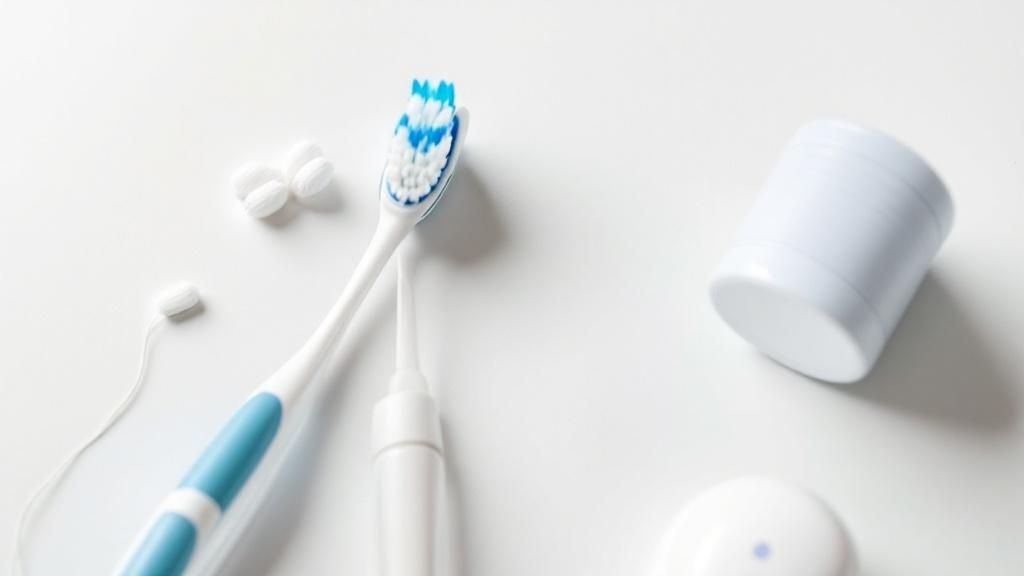
Getting your brushing and flossing right doesn't start at the bathroom mirror. It actually begins in the dental care aisle. The tools you pick from that overwhelming wall of options have a massive impact on your success.
Here at Trinity Dental Care, we always tell our Scottsdale patients to think of their oral hygiene gear as personalized instruments. The "best" toothbrush or floss is simply the one that fits your mouth and targets your specific needs.
Choosing Your Toothbrush
The most critical factor is the bristle hardness. We almost universally recommend a soft-bristled brush. It’s a common misconception that medium or hard bristles clean better; in reality, they can do more harm than good.
Next, you'll face the classic manual vs. electric debate. While a manual brush is a perfectly good tool, electric models bring some serious advantages.
- Built-in Timers: Most electric toothbrushes have a two-minute timer, often buzzing every 30 seconds to ensure you brush for the full recommended time.
- Pressure Sensors: Many electric models will light up or make a sound if you're pressing too aggressively, training you to use a gentler, safer touch.
- Superior Plaque Removal: Studies have shown that oscillating-rotating electric toothbrushes are often more effective at removing plaque and reducing gingivitis than manual brushes.
The bottom line? While an electric toothbrush is a fantastic investment, the best brush is always the one you'll actually use—consistently and correctly—every single day.
Selecting the Right Toothpaste
Once you’ve got your brush, you need the right partner for it. The one non-negotiable ingredient to look for is fluoride, a mineral proven to strengthen enamel and fight cavities. Always check for the American Dental Association (ADA) Seal of Acceptance on the box.
Beyond fluoride, you can find formulas for sensitivity, whitening, or tartar control. You can learn more about the components that make up your toothpaste in our detailed guide.
Finding Your Ideal Flossing Tool
Don't forget that your toothbrush misses 35% of your tooth surfaces. That's where floss comes in. Just like with brushes, you've got options.
- Traditional String Floss: This is the gold standard. Waxed floss is great for sliding between tight teeth.
- Dental Tape: A wider, flatter version of floss, excellent if you have larger gaps between your teeth.
- Floss Picks: These disposable tools are great for flossing on the go or for those who find string floss clumsy.
- Water Flossers: Also called oral irrigators, these devices shoot a high-pressure stream of water to blast away plaque. They are especially helpful if you have braces or implants.
For many people, a combined approach works best. You might use traditional floss at night and keep floss picks in your car for after lunch.
A Practical Guide to Effective Brushing
So, you’ve picked out the right tools. Now comes the part that really matters: mastering the skill. Learning an effective brushing technique is the best thing you can do for your daily oral hygiene. It's not about scrubbing harder; it’s about cleaning smarter.
The image below gives you a great visual of the ideal brush angle for cleaning right along the gumline.
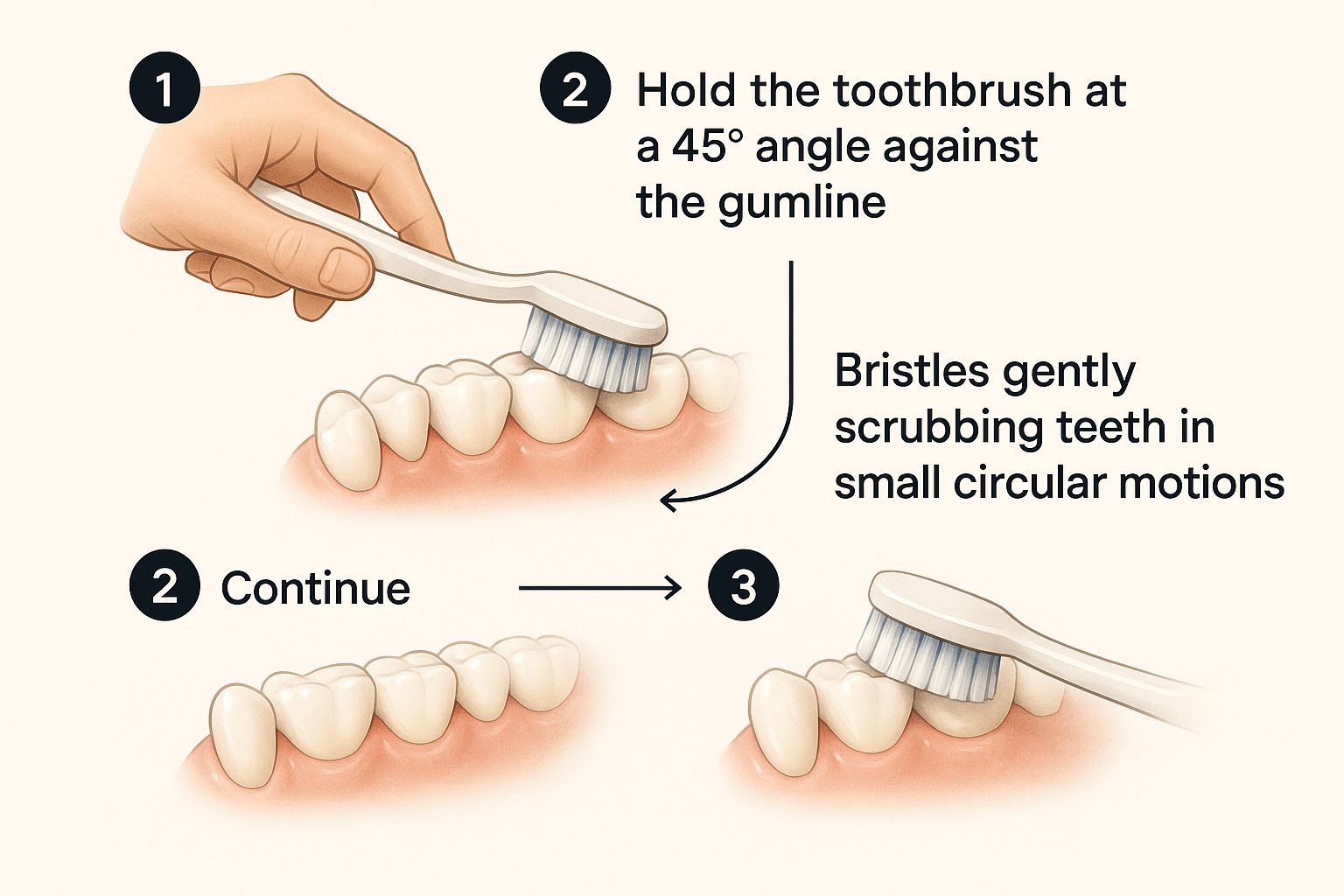
You can see how positioning the bristles at that 45-degree angle lets them sweep away plaque from that all-important intersection of your teeth and gums.
Adopting The Modified Bass Technique
When our Scottsdale patients ask for the best way to brush, we almost always recommend the Modified Bass Technique. It’s a straightforward method that dental professionals trust because it works. It’s designed specifically to clean the tiny pocket between your tooth and gum—the sulcus—which is where plaque buildup causes the most trouble.
Here’s how you can put it into practice:
- Angle Your Brush: Place your toothbrush bristles at a 45-degree angle to your gumline, aiming right for that critical sulcus area.
- Use Gentle, Short Strokes: Use very short, gentle back-and-forth or tiny circular vibrating motions. It should feel like the bristles are gently massaging your gums.
- Sweep Away: After vibrating the brush for a few seconds, sweep or roll the brush head away from the gumline toward the chewing surface. This final action pulls dislodged plaque away.
Repeat this process on every single tooth, making sure you cover all the surfaces—outer, inner, and chewing surfaces.
The Two-Minute Rule in Action
We’ve already covered why brushing for a full two minutes is non-negotiable. The trick is to be systematic. Divide your mouth into four quadrants: upper right, upper left, lower right, and lower left.
By dedicating 30 seconds to each quadrant, you guarantee every part of your mouth gets equal attention. This structured approach is especially helpful for kids. If you’re looking for more tips, check out our guide on how to teach good brushing habits to your kids.
Cleaning Every Surface Thoroughly
One of the most common mistakes people make is only focusing on the outer surfaces of their teeth. Plaque doesn't play favorites; it builds up everywhere.
For a complete clean, address all three surfaces of each tooth:
- Outer Surfaces: Facing your cheeks and lips.
- Inner Surfaces: Facing your tongue and the roof of your mouth.
- Chewing Surfaces: The tops of your molars and premolars.
Don’t Forget to Clean Your Tongue
Finally, one of the most overlooked parts of a solid brushing routine is cleaning your tongue. Your tongue's rough texture is a perfect breeding ground for bacteria that contribute to plaque and bad breath.
Once you're done with your teeth, use your toothbrush to gently brush your tongue from back to front. A few light sweeps are all it takes. This simple, final step leaves your whole mouth feeling cleaner.
Mastering the Art of Flossing for Healthier Gums
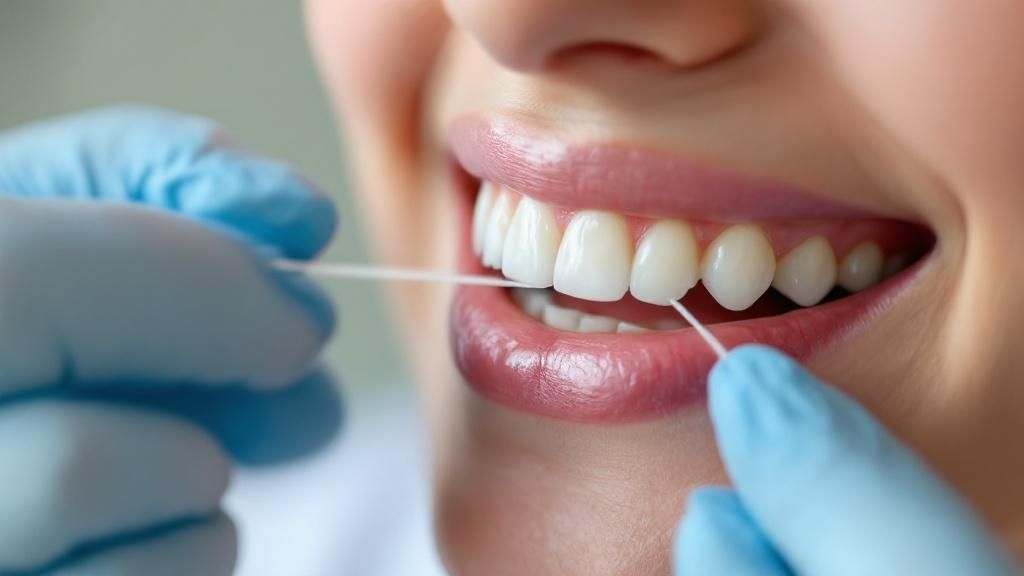
While brushing gets most of the attention, flossing is where the real battle for gum health is won. It’s the only way to get rid of the plaque and food debris that hide between your teeth and under the gumline.
Mastering this simple skill is non-negotiable for excellent oral health. Shocking survey data reveals that only 35% of adults floss every day. You can explore the flossing adherence findings here to see just how critical it is to make this a consistent part of your routine.
Executing the C-Shape Flossing Method
The best way to floss isn't just snapping the string between your teeth. To really clean those in-between surfaces, use the C-shape method. This technique ensures the floss hugs the tooth, maximizing plaque removal.
Start with about 18 inches of floss. Wind most of it around one middle finger and a small bit around the other. Gently slide the floss between two teeth using a soft "sawing" motion. Never snap it down into your gums.
Once the floss is at your gumline, curve it into a “C” shape against one tooth and slide it gently into the space between your tooth and gum. Hold the floss snugly against the tooth and move it up and down a few times. Then, curve it around the neighboring tooth and do the same before moving to the next gap.
What to Do When Your Gums Bleed
Seeing a little pink in the sink when you start flossing can be alarming, but don't panic. Most of the time, this is a sign of active gingivitis (gum inflammation) caused by the very plaque you’re now removing.
Your gums bleed because they are irritated and unhealthy. Consistent, gentle flossing will usually stop the bleeding within a week or two as your gums get healthier. If bleeding is heavy or continues, it's time to schedule a visit with us at Trinity Dental Care in Scottsdale.
Exploring Alternatives for Unique Needs
While traditional string floss is the gold standard, it’s not your only choice. The best flossing tool is the one you'll use every day. If you're looking for more background, our guide on why flossing is so important offers a deeper dive.
Here are a few great alternatives to consider:
- Water Flossers: These devices use a pressurized stream of water to flush out plaque and are fantastic for people with braces, bridges, or dental implants.
- Interdental Brushes: These tiny brushes fit into the spaces between your teeth and are especially helpful for cleaning around orthodontic wires or bridges.
- Floss Picks: These disposable tools are convenient and easier for some people to handle than a long string of floss.
Common Oral Care Mistakes and How to Fix Them
Even with the best intentions, it's easy to fall into oral care habits that do more harm than good. A few common mistakes can silently undermine all your hard work. By making a few simple adjustments, you can dramatically boost your routine's effectiveness.
Brushing Too Hard
One of the most frequent mistakes is brushing with too much force. There's a myth that aggressive scrubbing equals a better clean. In reality, it can cause serious damage.
This heavy-handed approach can lead to tooth enamel abrasion and gum recession. The Fix: Lighten up your grip. Try holding your toothbrush with just your fingertips instead of clenching it in your fist. This simple change makes it harder to apply too much pressure.
Using the Wrong Tools for the Job
The tools you use are just as important as your technique. A toothbrush with frayed, matted bristles just can't clean properly. We tell our patients to replace their toothbrush every three to four months—or sooner if the bristles look worn out.
The Fix: Set a recurring reminder on your phone to swap out your toothbrush. When you're at the store, always choose a brush with soft bristles. They are more than capable of removing plaque without causing the damage that medium or hard bristles can inflict.
Rinsing Immediately After Brushing
This is a subtle but common mistake. If your first instinct after brushing is to rinse with water, you're washing away the most important ingredient in your toothpaste: fluoride. Fluoride needs time to strengthen your tooth enamel.
The Fix: It's simple: after brushing, just spit out the excess toothpaste. Then, avoid rinsing, eating, or drinking for at least 30 minutes. According to one major report, while 53% of people globally brush twice a day, only 35% consistently use fluoride toothpaste—a key factor in cavity prevention. You can read more about these global oral health trends to see how crucial this step is.
For more tips on safeguarding your gums, check out our guide on how to maintain healthy gums and why it's important.
Your Scottsdale Dentist Is Your Partner in Health
Mastering your brushing and flossing at home is a huge step toward great oral health. But even the best daily routine can't do it all. It’s most effective when you have a professional team in your corner.
Once plaque hardens into tartar, only a professional cleaning can get rid of it. This is why your regular check-ups at Trinity Dental Care are a core part of keeping you healthy. These appointments are our chance to give you personalized feedback and catch any potential issues while they’re still small.
Think of your dental visits as a collaborative effort. We work together to ensure your at-home care is as effective as possible and to address issues before they become serious problems.
Let's work together to keep that smile of yours healthy and bright. Your commitment at home, paired with our professional expertise, creates the strongest defense for your teeth and gums.
Frequently Asked Questions About Dental Care
Our patients here in Scottsdale often ask for clarification on the finer points of brushing and flossing. We’ve pulled together the most common questions we hear to give you clear, straightforward answers.
How often should I replace my toothbrush?
The American Dental Association (ADA) recommends getting a new toothbrush every three to four months. You should replace it sooner if you see the bristles getting frayed, bent, or matted. A worn-out toothbrush can't clean effectively and can harbor bacteria.
Is it better to brush before or after breakfast?
Most dental professionals recommend brushing before breakfast. This removes the plaque-causing bacteria that multiply overnight before you "feed" them with your meal. If you must brush after eating, wait at least 30 minutes to allow your enamel to re-harden after being exposed to acids from your food.
Can mouthwash replace flossing?
No. While a therapeutic mouthwash can reduce plaque or fight gingivitis, it is not a substitute for the physical removal of debris achieved by flossing. Flossing is the only way to clean the tight spaces between teeth and just under the gumline where a toothbrush and rinse can't reach.
What should I do if my gums bleed when I floss?
Minor bleeding is typically a symptom of gingivitis (gum inflammation) caused by the very plaque you are now removing. The best thing to do is to continue flossing gently every day. As your gums become healthier, the bleeding should stop within a week or two. If it is heavy or persists, please call our Scottsdale office.
What is the most important ingredient in toothpaste?
The most important ingredient to look for is fluoride. This mineral is proven to strengthen tooth enamel and make it more resistant to the acids that cause cavities. To be sure you're getting a safe and effective product, always look for the ADA Seal of Acceptance on the packaging.
For even more answers to your dental health questions, feel free to explore our detailed dental care FAQ page.
Conclusion: Partner with Trinity Dental Care for a Healthier Smile
Mastering proper brushing and flossing techniques is the foundation of lifelong oral health. By using a soft-bristled brush, the Modified Bass technique, and daily flossing with the C-shape method, you create a powerful defense against cavities and gum disease. Remember, consistency is more important than force.
Your at-home efforts, combined with regular professional cleanings, are the key to a bright, healthy smile. If you have any questions or want personalized advice on your oral hygiene routine, the team at Trinity Dental Care is here to help our Scottsdale community.
Ready to take the next step in your oral health journey? Contact Trinity Dental Care today to schedule your appointment. Call us or visit https://trinitydentalcares.com to book online.