
If you're worried about stopping bone loss in your teeth, the first thing to understand is its primary cause: periodontal disease. This condition kicks off a cycle of chronic inflammation that, over time, literally eats away at the jawbone supporting your teeth.
The most effective way to stop this process dead in its tracks is by combining meticulous oral hygiene at home with professional dental care from a team you trust, like Trinity Dental Care in Scottsdale.
What Really Causes Bone Loss Around Teeth?
Think of your teeth like houses and your jawbone as the foundation holding them up. If that foundation starts to crack and crumble, the whole structure becomes unstable. That’s exactly what happens with dental bone loss.
The alveolar bone—the part of your jaw that cradles your tooth roots—slowly deteriorates, putting your entire smile at risk. This destructive process almost never happens overnight. It's a quiet, slow-moving problem that usually starts with a very familiar culprit: plaque.
This sticky film of bacteria is constantly forming on your teeth. If it's not brushed and flossed away, it hardens into tartar, a tough substance that only a professional cleaning can remove.
The Connection Between Gums and Bone
When plaque and tartar build up along the gumline, it leads to gingivitis, which is the earliest stage of gum disease. You might notice your gums looking red and swollen, or maybe they bleed when you brush.
If you ignore these signs, gingivitis can progress into periodontitis, a much more serious infection. With periodontitis, the infection dives deep below the gumline, creating pockets between your teeth and gums.
These pockets are a perfect breeding ground for harmful bacteria, which then release toxins. Your body’s immune system goes into overdrive to fight the infection, but this internal battle has a devastating side effect: it breaks down the very bone and connective tissues that anchor your teeth in place. You can learn more by reading about the facts of gum disease on our blog.
The single biggest cause of bone loss around teeth is advanced gum disease, or periodontitis. It creates a domino effect where a bacterial infection triggers inflammation, which in turn causes the supporting bone structure to break down.
Common Warning Signs You Shouldn't Ignore
Catching the early symptoms is absolutely critical for stopping bone loss before it gets out of hand. Because the process is often painless at first, many people in Scottsdale don't even realize there's a problem until significant damage has already been done.
Keep an eye out for these crucial warning signs:
- Persistent Bad Breath: If you have ongoing bad breath (halitosis) that brushing doesn't fix, it could be a sign of a deep-seated infection.
- Receding Gums: Do your teeth look longer than they used to? That's often a classic sign that your gums are pulling away, exposing more of the tooth root.
- Bleeding or Tender Gums: Healthy gums shouldn't bleed. If you see blood when you brush or floss, that's a major red flag for inflammation.
- Loose or Shifting Teeth: As the jawbone gets weaker, your teeth lose their support system and might start to feel wobbly or even drift out of position.
- Changes in Your Bite: You might suddenly notice that your top and bottom teeth don't seem to fit together the way they always have.
The global impact of periodontal disease is huge, but there's good news. A 2017 global review confirmed that getting effective periodontal therapy can dramatically slow the rate of tooth loss to just 0.1 tooth per patient per year. This statistic really highlights how powerful early intervention and regular dental care can be. You can read the full research on periodontal therapy outcomes to learn more.
Mastering Your At-Home Oral Hygiene Routine
Your daily habits are your first and most powerful line of defense in the fight against bone loss around your teeth. A consistent, effective oral hygiene routine does far more than just freshen your breath; it actively disrupts the bacterial plaque that kicks off gum disease and the eventual breakdown of your jawbone.
Think of it as your personal playbook for oral health. It’s filled with practical, easy habits that directly combat the bacteria responsible for bone loss. This isn't just about going through the motions—it’s about doing them with the right technique and tools to protect your smile’s foundation.
Brushing Technique Is Everything
Simply moving a toothbrush around in your mouth for a couple of minutes won't cut it. To effectively remove the plaque where it does the most damage, you have to focus on the gumline.
This is where harmful bacteria love to gather, leading to the inflammation and periodontal pockets that precede bone loss. Here’s the technique that makes a real difference:
- Angle the Brush: Position your toothbrush at a 45-degree angle to your gums. This allows the bristles to sweep away plaque from just beneath the gumline, where it's most destructive.
- Use Gentle Circles: Ditch the aggressive back-and-forth scrubbing. Instead, use short, gentle, circular strokes to clean effectively without causing gum recession or enamel wear.
- Cover All Surfaces: Be methodical. Make sure you clean the outer, inner, and chewing surfaces of every single tooth.
An electric toothbrush with a built-in pressure sensor can be a total game-changer. It not only provides a superior cleaning action but also alerts you if you're brushing too hard, preventing the very gum damage that can contribute to bone loss.
This simple infographic shows how daily habits, diet, and professional care all work together to keep your jawbone healthy.
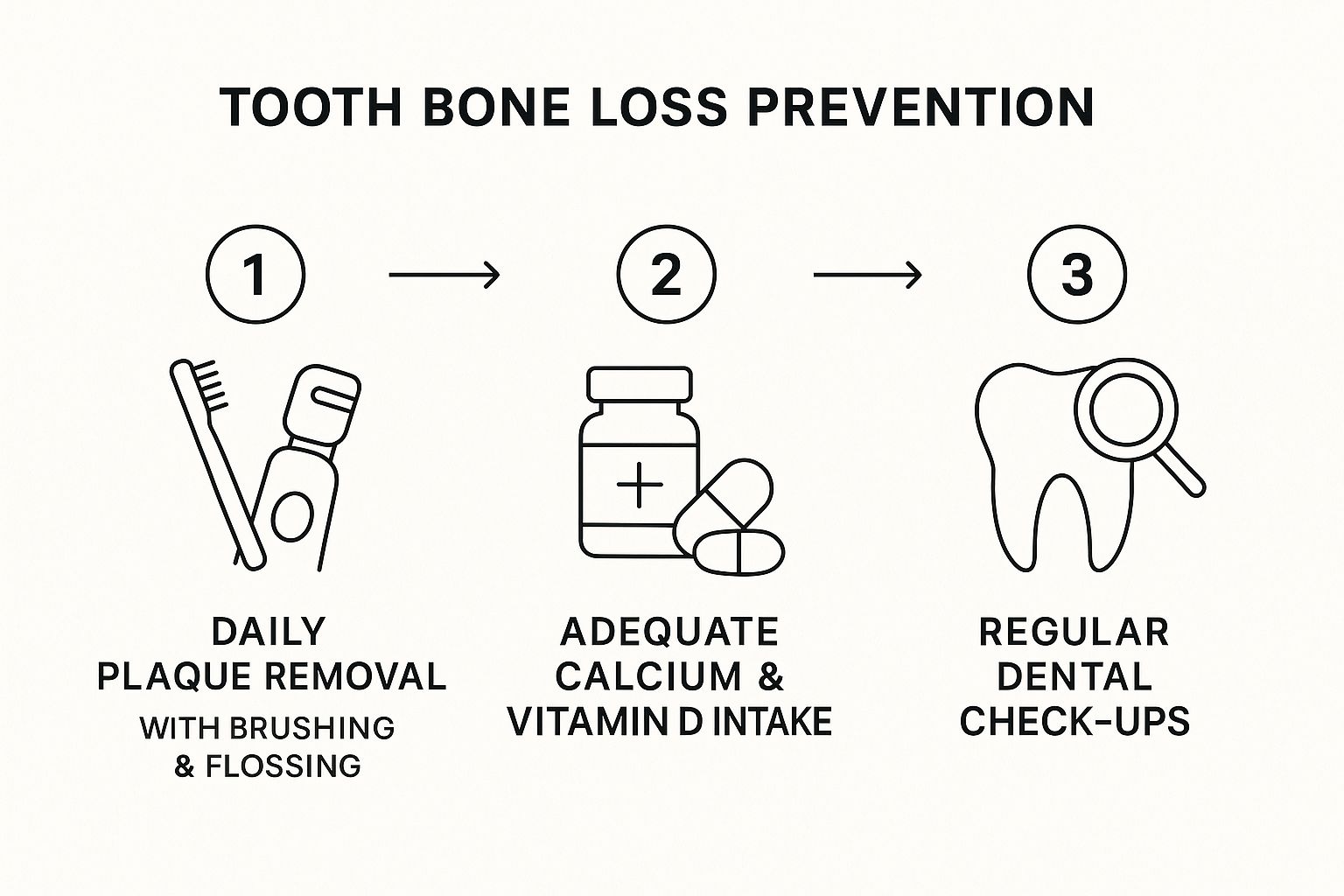
As you can see, a multi-faceted approach is key. Your daily hygiene serves as the crucial first step in a lifelong strategy for excellent dental health.
Go Beyond Traditional Flossing
Flossing is non-negotiable for cleaning the tight spaces between your teeth where a toothbrush just can't reach. For some people, though, especially those with existing gum pockets or dental work like bridges, other tools can provide a much more thorough clean.
Consider adding these to your arsenal:
- Water Flossers: These devices use a pressurized stream of water to flush out plaque and debris from between teeth and below the gumline.
- Interdental Brushes: Often called "proxy brushes," these tiny brushes are specifically designed to clean larger gaps between teeth.
- Antibacterial Mouthwash: Finishing your routine with an ADA-accepted antibacterial mouthwash can help reduce the overall bacterial load in your mouth.
The Importance of Consistency
The best techniques and tools are only effective if you use them consistently. Plaque begins to form again just hours after you brush, which is why a twice-daily routine is so essential.
Remember, your at-home routine is designed to manage daily plaque buildup. It can't remove tartar (hardened plaque), which is why pairing your efforts with professional care is so critical. You can learn more about why teeth cleanings are important and how they support your daily regimen.
By mastering these at-home practices, you're taking a proactive role in preserving your jawbone. For our patients in Scottsdale, we always emphasize that these small daily actions have a massive cumulative impact on preventing serious dental issues.
How Your Diet Fortifies Your Dental Health

While your at-home hygiene routine is your first line of defense, what you eat provides the vital reinforcement that strengthens your smile from the inside out. Your diet gives your body the essential building blocks it needs to maintain a strong, dense jawbone.
When we talk about how to stop bone loss in teeth, we have to look beyond just brushing and flossing. A well-balanced, nutrient-rich diet is just as critical for preserving the very foundation of your smile.
The Power Trio for Bone Density
Some nutrients are absolute superstars when it comes to preserving bone mass, including your jaw. Without a steady supply of these key players, your jawbone can become weaker and more vulnerable to deterioration.
These three nutrients are a real team:
- Calcium: This is the main mineral your bones and teeth are made of. If you don't get enough, your body will pull calcium from your bones—including your jaw.
- Vitamin D: It’s crucial because it helps your body absorb all that important calcium. Without enough Vitamin D, your body can't use calcium effectively to strengthen your bones.
- Phosphorus: Working right alongside calcium, phosphorus is another key mineral that gives your bones their strength and structure.
Your jawbone is in a constant state of renewal, a process we call remodeling. A diet packed with calcium and Vitamin D ensures that as old bone tissue breaks down, it’s replaced with strong, healthy new tissue.
Building Your Bone-Fortifying Grocery List
You don’t have to completely overhaul your diet to make a difference. Incorporating bone-healthy foods into your meals can be simple and delicious. Just think about adding a variety of these items to your regular shopping trips here in Scottsdale.
This table breaks down the essentials for building and maintaining strong dental bones.
Essential Nutrients for Strong Dental Bones
| Nutrient | Why It's Important for Dental Bone | Excellent Food Sources |
|---|---|---|
| Calcium | The main building block of the jawbone, providing strength and structure. | Dairy (milk, yogurt, cheese), leafy greens (kale, spinach), fortified cereals, and almonds. |
| Vitamin D | Essential for absorbing calcium and getting it to your bones where it's needed. | Fatty fish (salmon, mackerel), fortified milk and orange juice, and egg yolks. |
| Phosphorus | Works with calcium to build strong bones and teeth. | Meat, poultry, fish, nuts, beans, and dairy products. |
Focusing on these foods can make a significant, positive impact on your oral health foundation.
Foods and Drinks That Sabotage Your Smile
Just as some foods build your bones up, others can actively work against you. These items often promote inflammation or are highly acidic, creating the perfect environment for gum disease to flourish.
Here are a few culprits to reduce or avoid:
- Sugary Drinks and Sodas: They’re packed with sugar that feeds plaque-causing bacteria and are highly acidic, which can wear away tooth enamel.
- Sticky and Hard Candies: Candies that linger in your mouth give bacteria a prolonged sugar feast, leading to more acid production that inflames gums.
- Excessive Processed Foods: These are often high in sugars and unhealthy fats that contribute to inflammation throughout your entire body, including your gums.
Making mindful choices about what you eat is a powerful, proactive strategy. For more tips, our guide on how to prevent gum disease offers 7 tips for good oral health is a perfect companion to these dietary recommendations.
Lifestyle Habits That Impact Jawbone Density
Beyond what happens in the bathroom sink or at the dinner table, your day-to-day lifestyle choices have a huge say in whether your jawbone stays strong and healthy. Getting a handle on this connection is a massive part of learning how to stop bone loss in teeth.
It’s an honest conversation we often have with our patients here in Scottsdale: what you do every day really does matter. Your overall health and your oral health are completely intertwined.
The Impact of Smoking and Vaping
It's common knowledge that smoking is bad for you, but its impact on your mouth is especially destructive. Tobacco use directly attacks the systems that keep your gums and jawbone in fighting shape.
Nicotine actually constricts the blood flow to your gums. This starves them of the oxygen and nutrients they desperately need to fend off infection and heal. As a result, smokers are far more likely to develop aggressive periodontal disease.
Managing Systemic Health Conditions
Your mouth isn’t an island; it’s a reflection of your body's overall health. Certain systemic conditions can seriously crank up your risk for dental bone loss, which makes it essential to manage them closely.
Diabetes is a perfect example. Uncontrolled blood sugar creates an inflammatory response throughout your body, gums included. This inflammation makes it much harder for your body to combat periodontitis, often leading to more rapid bone loss.
Managing your overall health is a form of preventive dental care. By working with your medical doctor to control conditions like diabetes or osteoporosis, you are actively protecting your jawbone.
The Hidden Damage from Stress and Grinding
Life in a bustling area like Scottsdale can come with its fair share of stress, and that tension can manifest right in your mouth. Many people unconsciously clench or grind their teeth (bruxism), especially when they're asleep.
This habit puts an incredible amount of unnatural force on your teeth and the jawbone beneath them. This constant pressure can accelerate bone loss, wear down enamel, and worsen existing gum disease.
A custom-fitted nightguard from Trinity Dental Care is a simple, yet highly effective, fix. It acts like a protective cushion, absorbing the grinding forces and stopping further damage to both your teeth and your jawbone.
The fallout from advanced bone loss is no small thing. The CDC reports that over 47% of adults 30 years and older have some form of periodontal disease. This just goes to show how vital a holistic approach to your oral health truly is.
Professional Treatments to Halt Bone Loss
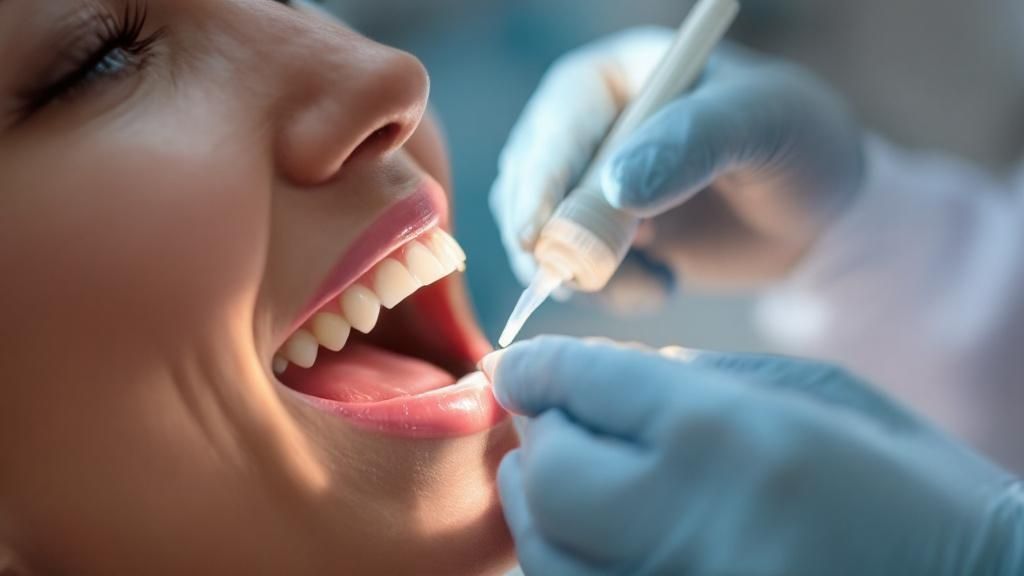
When diligent at-home care isn't enough to stop bone loss, it's time for professional dental treatments. At Trinity Dental Care, we use modern procedures to intervene directly, halt the damage, and begin restoring your smile's foundation.
These treatments go far beyond what you can do on your own. The first, most critical step is always to address the underlying infection. Until we remove the harmful bacteria hiding deep below your gumline, your jawbone remains under constant attack.
Scaling and Root Planing: The Cornerstone of Gum Health
Think of scaling and root planing as a therapeutic deep cleaning for your teeth and gums. It's the cornerstone treatment for periodontitis and one of the most effective ways to stop bone loss in its tracks.
During scaling, we meticulously remove all the tartar and bacteria from your tooth surfaces, both above and below the gumline. Next, root planing involves carefully smoothing out the tooth roots, which helps the gums reattach firmly and prevents bacteria from clinging on.
For many patients, this is the key intervention needed to get their oral health back on track. For added effectiveness, we can also discuss how effective laser periodontal therapy is, as it offers a minimally invasive way to further disinfect gum pockets.
Rebuilding with Bone Grafting
For patients who have already experienced significant jawbone deterioration, we need a strategy to rebuild what’s been lost. A bone graft is a remarkable procedure designed to do just that.
This treatment involves placing bone grafting material into the areas where the jawbone has receded. This material acts as a scaffold, encouraging your body’s natural ability to grow new, healthy bone tissue right where it's needed.
A bone graft isn't just a patch; it's a regenerative solution. By stimulating new bone growth, it creates the necessary density to support your natural teeth or to prepare the site for a future dental implant.
Guided Tissue Regeneration: A Focused Approach
In some cases, we use a technique called guided tissue regeneration (GTR), often alongside a bone graft. Gum tissue tends to grow much faster than bone tissue, which can cause it to fill the space where we want new bone to form.
With GTR, we place a special, biocompatible membrane between the soft gum tissue and the bone graft. This tiny barrier holds the gums back, giving the slower-growing bone cells the time and space they need to regenerate properly.
Dental Implants: The Gold Standard Solution
When a tooth is lost due to advanced bone loss, replacing it is crucial to prevent even more jawbone deterioration. Dental implants are widely considered the gold standard for tooth replacement.
An implant is a small titanium post that is surgically placed into the jawbone, where it acts just like an artificial tooth root. Most importantly, the implant stimulates the jawbone just like a natural tooth root does, effectively halting the resorption process that kicks in when a tooth is missing.
Conclusion: Take Control of Your Oral Health Today
Stopping bone loss in your teeth is achievable with a proactive, two-pronged approach. It begins with your commitment to excellent daily oral hygiene and a healthy lifestyle. This foundation is then reinforced by professional dental care to manage, treat, and even reverse the damage caused by gum disease.
The key takeaways are clear:
- Prevention is paramount: Diligent brushing, flossing, and a balanced diet are your best defense.
- Early detection saves smiles: Don't ignore warning signs like bleeding gums or loose teeth.
- Professional treatment is essential: Procedures like scaling, root planing, and bone grafting can halt and repair damage.
If you're in Scottsdale, AZ, and have concerns about bone loss, receding gums, or any other dental issue, don't wait. The compassionate and expert team at Trinity Dental Care, led by Dr. Christine Ann Fink, is here to help you protect your smile for a lifetime.
Contact us today to schedule your consultation and take the first step toward a healthier, stronger smile. Call us or book your appointment online now!
Frequently Asked Questions (FAQs)
1. Can dental bone loss actually be reversed?
While you can't regrow significant amounts of lost jawbone on your own, the progression of bone loss can absolutely be stopped. That is the most critical first step. With a combination of exceptional at-home hygiene and professional treatments, we can halt the disease process. Modern procedures like bone grafting are then used to rebuild and regenerate lost bone structure, creating a new, solid foundation.
2. Is bone loss in the jaw a normal part of aging?
No, significant bone loss in the jaw is not a normal or inevitable part of getting older. While the risk for conditions that cause it (like periodontal disease) can increase with age, the deterioration itself is a result of disease, not time. With consistent oral hygiene, regular dental visits, and a healthy lifestyle, many older adults maintain excellent jawbone density throughout their lives.
3. How do I know if my insurance covers treatments for bone loss?
Coverage for bone loss treatments varies by plan. Generally, medically necessary procedures to treat active disease, like scaling and root planing, are often partially covered. More complex treatments like bone grafting or dental implants may have different coverage rules. Our team at Trinity Dental Care has extensive experience working with insurance providers in Scottsdale and will provide a detailed cost estimate and help you understand your benefits before any treatment begins.
4. What happens if I ignore bone loss?
Ignoring dental bone loss will lead to more significant problems. The process will continue, causing tooth loosening and eventual loss, changes in your facial structure as the jawbone shrinks, and difficulty with future restorations like implants or dentures. Early intervention is always the most effective, least invasive, and most affordable path.
5. Can a dental implant be placed if I have bone loss?
Yes, but you might need a preparatory step first. An implant needs a strong, dense bone for support. If you've experienced significant bone loss, we will first perform a bone grafting procedure. This rebuilds the jaw, creating the solid foundation needed for a stable, long-lasting dental implant. You can explore more answers on our dental care FAQ page.