
A sudden, throbbing toothache can disrupt your entire day, making it difficult to eat, sleep, or focus. While the most critical step is always to contact a professional like Dr. Christine Ann Fink at Trinity Dental Care in Scottsdale, AZ, immediate relief is often necessary while you await your appointment.
Understanding what causes tooth pain, from cavities and infections to gum disease or trauma, is the first step toward finding a solution. This guide explores effective temporary options you can use at home to manage discomfort safely.
We will detail seven reliable toothache home remedy options, explaining the science behind why they work, how to apply them, and when it is absolutely essential to seek emergency dental care. Think of these methods as first aid for your mouth; they provide comfort when you need it most.
Remember, these remedies are bridges to professional treatment, not a replacement for it. True relief and long-term oral health depend on a proper diagnosis and care from a qualified dentist.
1. Salt Water Rinse
A simple salt water rinse is a surprisingly powerful and accessible toothache home remedy. This method is frequently recommended by dental professionals as a primary form of first aid for dental pain due to its simplicity and effectiveness.
It works by creating an osmotic environment that draws out fluid from swollen gum tissues, helping to reduce painful inflammation. The rinse also acts as a natural antiseptic, helping to kill bacteria and cleanse the area around the affected tooth.
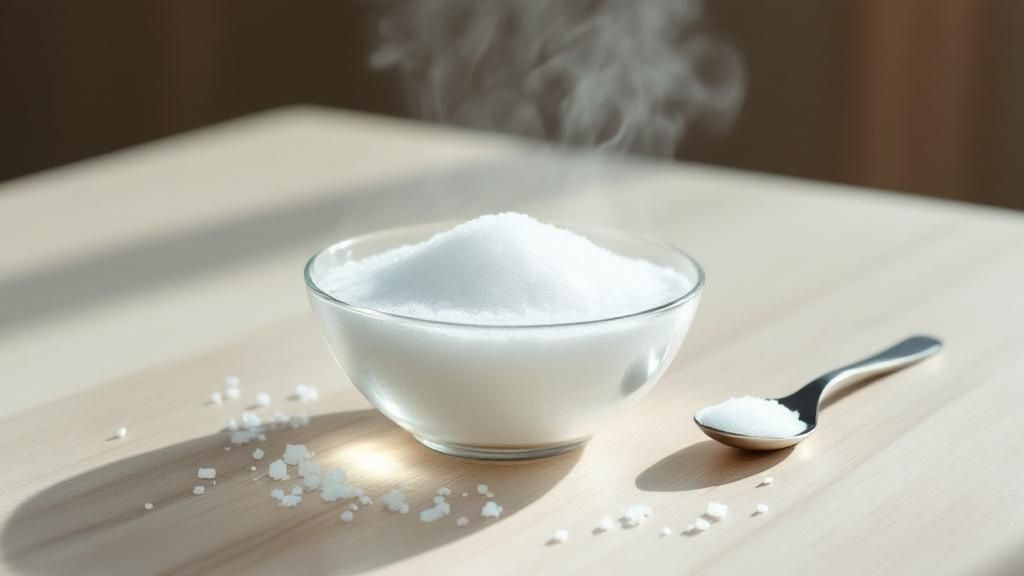
How to Prepare and Use a Salt Water Rinse
Creating and using this remedy is straightforward, but precision is key to maximizing its benefits without causing further irritation.
- Proper Ratio: Dissolve half a teaspoon (½ tsp) of salt into a standard 8-ounce glass of warm water.
- Temperature Control: Ensure the water is warm, not hot. Hot water can scald your mouth and exacerbate pain, especially if the toothache is due to tooth sensitivity. You can learn more by reading about understanding tooth sensitivity.
- Swishing Technique: Take a mouthful of the solution and swish it gently for at least 30 seconds, focusing on the painful tooth.
- Frequency: Repeat this process 2 to 3 times daily, especially after meals. Do not swallow the solution; spit it out after swishing.
2. Cold Compress
Applying a cold compress is another highly effective toothache home remedy, particularly when the pain is accompanied by swelling. The cold temperature causes vasoconstriction (the narrowing of blood vessels), which reduces blood flow to the area, significantly decreasing swelling and inflammation.
In addition to controlling swelling, the cold provides a powerful numbing effect. It temporarily desensitizes the nerve endings, making the toothache more manageable while you arrange professional dental care.
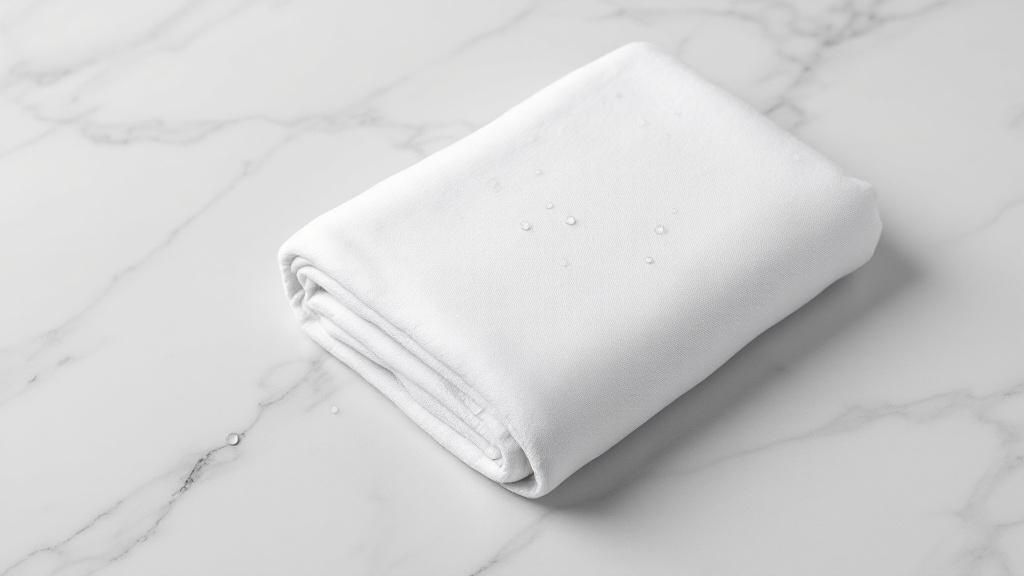
How to Prepare and Use a Cold Compress
Proper application is essential to get the full benefits of cold therapy without risking skin damage.
- Create Your Compress: Wrap an ice pack or a bag of frozen vegetables in a thin, clean towel.
- Protect Your Skin: Never apply ice or a frozen pack directly to your skin to prevent ice burn on your cheek.
- Application Technique: Gently hold the wrapped compress against the outside of your cheek, over the painful area, for 15 to 20 minutes.
- Cycle for Safety: Remove the compress for at least 20 minutes before reapplying. This cycle can be repeated several times throughout the day. If you are experiencing a dental emergency, you can find more guidance on what constitutes emergency dental care.
3. Clove Oil
A time-honored and potent toothache home remedy, clove oil contains eugenol, a natural anesthetic and antiseptic. Studies published in the Journal of Dentistry have shown eugenol to be as effective as some topical anesthetics used by dentists.
Eugenol works by providing a powerful numbing sensation that temporarily blocks pain signals from the nerves. Its antimicrobial properties also help to combat bacteria that may be contributing to the pain or infection.

How to Prepare and Use Clove Oil
Using clove oil requires careful handling, as it is very potent and can cause irritation if not diluted.
- Dilution is Essential: Dilute 2 to 3 drops of clove oil with half a teaspoon (½ tsp) of a carrier oil, such as coconut or olive oil.
- Application Method: Soak a clean cotton ball in the diluted mixture. Gently dab the cotton onto the affected tooth and the immediate surrounding gum area.
- Hold and Repeat: Hold the cotton ball in place for a few minutes until you feel the numbing effect. You can reapply this remedy 2 to 3 times per day.
- Alternative Rinse: Add a single drop of clove oil to a small glass of warm water and use it as a mouth rinse. Swish for 30 seconds and spit it out. Do not swallow.
4. Garlic Paste
Garlic is a potent natural remedy that can provide powerful relief from dental pain. A simple garlic paste is an effective toothache home remedy due to its primary active compound, allicin.
Allicin, released when a garlic clove is crushed, has significant antimicrobial and anti-inflammatory properties that target bacterial infection. Research from the NIH confirms its effectiveness against various oral pathogens, making it an excellent first-aid measure.

How to Prepare and Use a Garlic Paste
Creating this remedy is simple, but using fresh garlic is essential to ensure the allicin is active and effective.
- Activate the Allicin: Take one fresh clove of garlic and crush it thoroughly. Let it sit for a few minutes to allow the allicin to fully form.
- Create the Paste: Mix the crushed garlic with a small pinch of salt to create a thick paste.
- Application Method: Gently apply the paste directly onto the painful tooth and the surrounding gum area. Leave it in place for a few minutes before rinsing your mouth with warm water.
- Frequency: Use this method 2 to 3 times a day as needed for pain.
5. Peppermint Tea Bags
Beyond being a soothing beverage, peppermint tea bags offer a potent and widely recognized toothache home remedy. This approach harnesses the natural analgesic properties of peppermint's key active compound, menthol.
Menthol provides a distinct cooling sensation that naturally numbs the nerves in the affected area, effectively dulling the sensation of pain. The tannins present in tea also help reduce swelling in the gums.
How to Prepare and Use Peppermint Tea Bags
Using a tea bag for a toothache is a simple process that can be adapted for either warm or cold therapy.
- Prepare the Bag: Steep a peppermint tea bag in hot water for a few minutes. Allow it to cool down until it is comfortably warm.
- Warm Application: Place the warm, moist tea bag directly against the affected tooth and gum area for 15 to 20 minutes.
- Cold Application: For a stronger numbing effect, place the used, moist tea bag in the freezer for a few minutes until it's chilled. Apply the cold bag to the painful area.
- Frequency: You can repeat this process as needed throughout the day.
6. Hydrogen Peroxide Rinse
A hydrogen peroxide rinse is another effective toothache home remedy, acting as a powerful antiseptic agent. Its bubbling action helps to thoroughly cleanse the affected area, kill harmful bacteria, and reduce plaque buildup.
This makes it particularly useful for toothaches associated with gum inflammation or minor infections. According to the American Dental Association (ADA), rinses like this can help reduce gingivitis, a common cause of dental discomfort.
How to Prepare and Use a Hydrogen Peroxide Rinse
Proper dilution is crucial to use hydrogen peroxide safely and avoid irritating the delicate tissues in your mouth.
- Proper Ratio: Mix equal parts of 3% hydrogen peroxide with an equal amount of water to create a 1.5% solution.
- Swishing Technique: Swish a mouthful of the diluted mixture around your mouth for about 30 seconds, focusing on the aching tooth.
- Spit Out Completely: After swishing, spit the entire solution out. Do not swallow the rinse, as ingesting hydrogen peroxide can be harmful.
- Frequency: Use this rinse cautiously, no more than 2 to 3 times per week, to avoid gum irritation.
7. Vanilla Extract
Pure vanilla extract can serve as a surprisingly effective toothache home remedy due to its inherent chemical properties. It contains eugenol and alcohol, which work together to provide temporary relief.
The alcohol content in pure vanilla extract acts as a natural antiseptic, helping to clean the area and numb the nerve endings. Vanillin, its primary compound, also has antioxidant properties that contribute to a calming effect.
How to Prepare and Use Vanilla Extract
Using vanilla extract for a toothache is simple, but selecting the right kind is essential for it to be effective.
- Choose Pure Extract: It is crucial to use 100% pure vanilla extract, not imitation vanilla, which lacks the necessary alcohol and may contain sugar.
- Application Method: Pour a small amount of pure vanilla extract onto a cotton ball or swab until it is saturated.
- Direct Placement: Gently dab and hold the saturated cotton directly against the affected tooth and surrounding gum tissue for several minutes.
- Frequency: You can reapply this remedy 3 to 4 times a day or as needed when the pain returns.
Toothache Remedy Comparison
| Remedy | Key Action | Best For | How to Use |
|---|---|---|---|
| Salt Water Rinse | Natural antiseptic, reduces inflammation | Mild pain, gum irritation, post-procedure care | Rinse with ½ tsp salt in 8 oz warm water |
| Cold Compress | Numbing, reduces swelling | Trauma, visible swelling, sharp pain | Apply towel-wrapped ice pack for 15-20 min |
| Clove Oil | Natural anesthetic, antibacterial | Moderate to severe throbbing pain | Apply diluted oil with a cotton ball |
| Garlic Paste | Natural antibiotic, anti-inflammatory | Suspected bacterial infections | Apply a paste of crushed garlic and salt |
| Peppermint Tea | Mild numbing, soothing | Mild pain, gum sensitivity | Apply warm or cold used tea bag |
| Hydrogen Peroxide | Potent antiseptic, cleanses debris | Gum inflammation, signs of infection | Rinse with a 1:1 diluted solution (3% H₂O₂) |
| Vanilla Extract | Mild numbing, antiseptic | Sudden, sharp pain (temporary relief) | Apply pure extract with a cotton swab |
Frequently Asked Questions (FAQs)
1. How long should I use a home remedy before seeing a dentist?
A home remedy is for temporary relief only. If your toothache lasts more than one or two days, or if it is severe, you should contact a dentist immediately. These remedies manage symptoms but do not cure underlying issues like cavities, abscesses, or gum disease.
2. Can a toothache go away on its own?
While minor gum irritation might resolve, a true toothache from a cavity or infection will not go away on its own. The problem will likely worsen, potentially leading to a more serious condition requiring extensive treatment, like a root canal. You can learn that with modern care, you don't have to fear root canals.
3. What are the signs my toothache is a dental emergency?
Seek emergency care if your toothache is accompanied by a fever, facial swelling, difficulty breathing or swallowing, or a foul taste in your mouth. These are signs of a serious infection that can spread.
4. Is it safe to put aspirin directly on my tooth?
No, never put aspirin or any other painkiller directly on your tooth or gums. This is a common myth that can cause a chemical burn on your gum tissue, leading to more pain and damage. For pain relief, follow the guidance on your guide to post-treatment pain relief.
5. What is the most common cause of toothaches?
According to the CDC, dental caries (cavities) are the most common cause of toothaches in both children and adults. Other frequent causes include gum disease, tooth fracture, a damaged filling, or an abscess. Learn the signs of a cavity to identify the problem early.
Conclusion: Your Next Step for Lasting Relief
Navigating the sharp pain of a toothache is stressful. The home remedies in this guide offer effective, immediate ways to manage discomfort, providing a crucial bridge to professional care. However, a toothache home remedy is not a permanent fix.
A toothache is your body’s alarm system, signaling an issue like a cavity, infection, or gum disease that requires professional attention from a dentist in Scottsdale. Ignoring it can lead to more severe complications. The ultimate goal is not just to quiet the pain but to eliminate its source for good.
At Trinity Dental Care, Dr. Christine Ann Fink and our compassionate team are dedicated to uncovering the root cause of your toothache with modern diagnostics. We empower our patients in Scottsdale, AZ, through education, ensuring you can make informed decisions about your oral health. Don't let a toothache dictate your days any longer—let us help you find a permanent solution.
Ready to move beyond temporary fixes? The expert team at Trinity Dental Care is here to provide the comprehensive care you deserve. Schedule your appointment online or call us today at Trinity Dental Care and take the definitive step toward a healthy, pain-free smile.